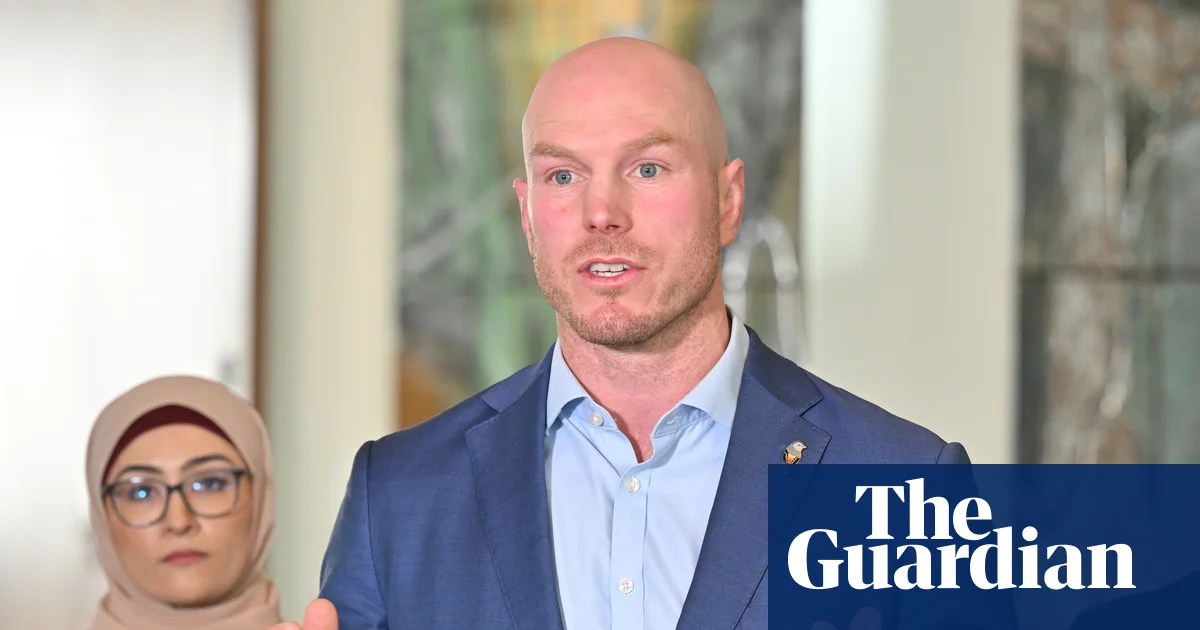
Crossbench MPs including David Pocock and Sophie Scamps are pressuring the Albanese government to ban Australian goods from being used by the Israeli military, including parts for F-35 fighter jets, by introducing a bill designed to force it to adhere to international obligations. This was reported by Qazaqyia.kz citing The Guardian.
The group’s “red lines” legislation, to be presented on Monday, would outlaw defence equipment, technology or services being used where they could breach Australia’s international human rights obligations.
They hope the bill would end Australia’s involvement in manufacturing parts of the F-35 aircraft used by the Israeli air force in Gaza to “strike terror targets and assist ground forces in very close proximity strikes” – which the government has been under increasing pressure to stop.
“Of all the issues many people contact me about, human rights and the Gaza genocide is by far the biggest,” Pocock said.
“I have received thousands of emails from Canberrans desperately concerned by the indiscriminate killing we have seen overseas.”
The foreign minister, Penny Wong, has previously described Australia’s contributions to the F-35 supply chain as “non-lethal in nature”. The defence minister, Richard Marles, has accused critics of “misinformation” and said Australia has contributed to the program for decades as part of a multi-lateral agreement with Lockheed Martin in the US, rather than with Israel directly.
The prime minister was roundly criticised last week, including from within his own ranks, for not following the UK and other like-minded countries in banning trade with Israeli settlements in the West Bank.
The crossbench group – which also includes the Greens and independents Lidia Thorpe, Andrew Wilkie and Fatima Payman – say their bill could also prevent companies and institutions investing in activities connected to illegal settlements and serious international law violations.
The proponents of the laws say they would put Australia’s legislation in line with its international human rights obligations, and establish an independent anti-genocide commissioner.
Large companies, defence businesses and commonwealth entities would also be forced to report and intervene on genocide risks in their operations and supply chains.
The Greens’ deputy leader, Mehreen Faruqi, challenged the government to “prove that all their talk about international law and human rights actually means something”.
“This package is far from radical and delivers exactly what Australians expect of their government. Australian governments and corporations should not be sending military parts, trading with, or profiting from, a genocide,” she said.
The bills are backed by international law advocates and experts including the former president of the Australian Human Rights Commission, Gillian Triggs, and the executive director of the Australian Centre for International Justice, Rawan Arraf.
Scamps said the legislation would help ensure business and the government were not “unknowingly complicit in war crimes and genocide and other human rights violations”.
“This is not about a single country, there are grievous human rights abuses going on all around the world,” she said.
“It is not nearly good enough for our government to say they are not sure if components we manufacture here in Australia are being used in F-35s that have killed tens of thousands of people in Gaza.”
Thorpe said the bill – to be concurrently introduced in the house and Senate this week – was about upholding fundamental human rights that the government “is already committed to under international law”.
Labor is not expected to support the private member’s bill.