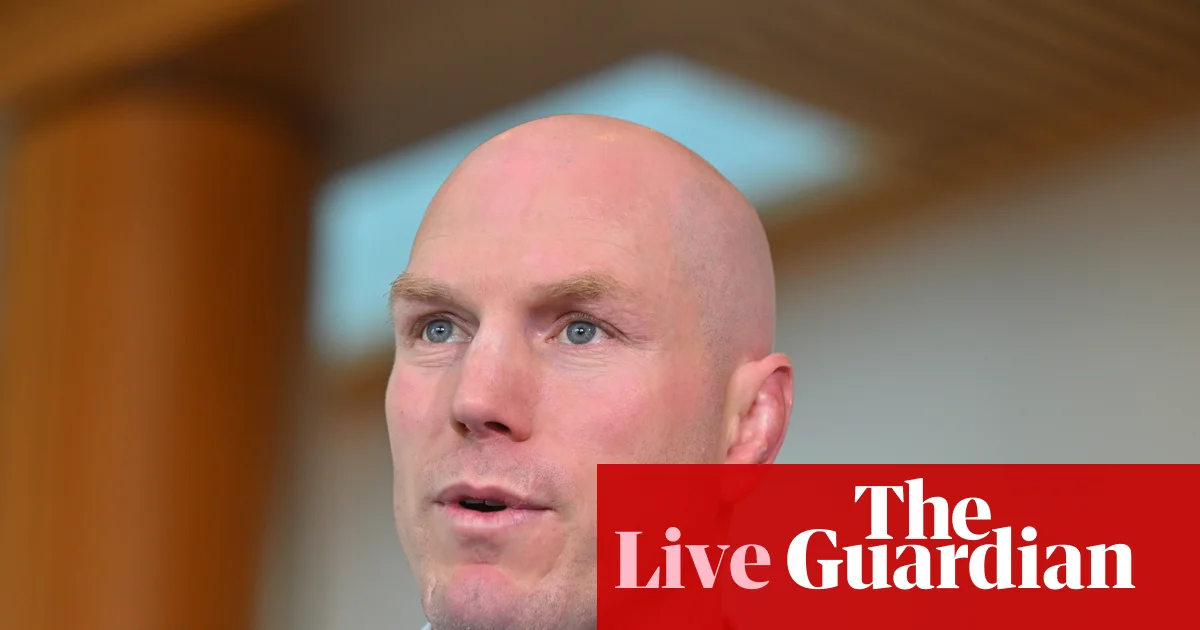
Independent senator David Pocock said a housing correction "would be a good thing for our country", adding that house prices cannot continue to grow at the rate they have over the past two decades. This was reported by Qazaqyia.kz citing The Guardian.
Speaking to ABC News Breakfast this morning, Pocock said: "It's kind of just become this normal thing that house prices go up at a rapid rate. I think we've got to ask the question – what is housing for? Housing is so fundamental to functioning as a human, to flourishing families, communities – we have to actually ensure that we can keep house prices in check over the next couple of decades while wages rise to get back to a point where housing is affordable in this country."
Pocock also said it was great news that Labor had released a change to negative gearing laws to better protect widows and divorcees and drop the so-called "widow tax".
The senator's remarks come amid ongoing debates about housing affordability in Australia. He argued that unchecked price growth has made it increasingly difficult for young people and middle-income families to enter the property market, exacerbating social inequality. He called on the government to fundamentally rethink its housing policies.
Economists have noted that while the pace of price growth has slowed in recent years, it remains high. Some warn that a housing correction could have negative economic consequences, but Pocock believes it would be beneficial in the long run.
Labor's proposed changes to negative gearing are designed to reduce the tax burden on widows and divorced individuals. The so-called "widow tax" previously required widowed women to pay capital gains tax on properties inherited from their spouses. The new rules would provide tax relief in such cases.
Pocock emphasized that this change is an important step toward social justice and called for further tax reforms. He also stressed the need for collaborative efforts between the public and private sectors to address housing inequality.
Housing affordability remains one of Australia's most pressing socio-economic issues. With limited options for first-time buyers and rising rents, the government faces pressure to implement comprehensive solutions.
Pocock's stance has sparked political debate, with some lawmakers supporting his views and others cautioning against government intervention in the housing market. Nevertheless, his position appears to resonate with many Australians.
As the country looks toward future elections, housing policy is likely to be a key issue. Pocock's comments may influence public discourse and prompt further action from policymakers.
In summary, David Pocock's statement highlights a critical social challenge. He argues that a housing correction would ultimately benefit the economy and make housing more affordable. This issue is sure to remain at the forefront of public discussion in the coming months.