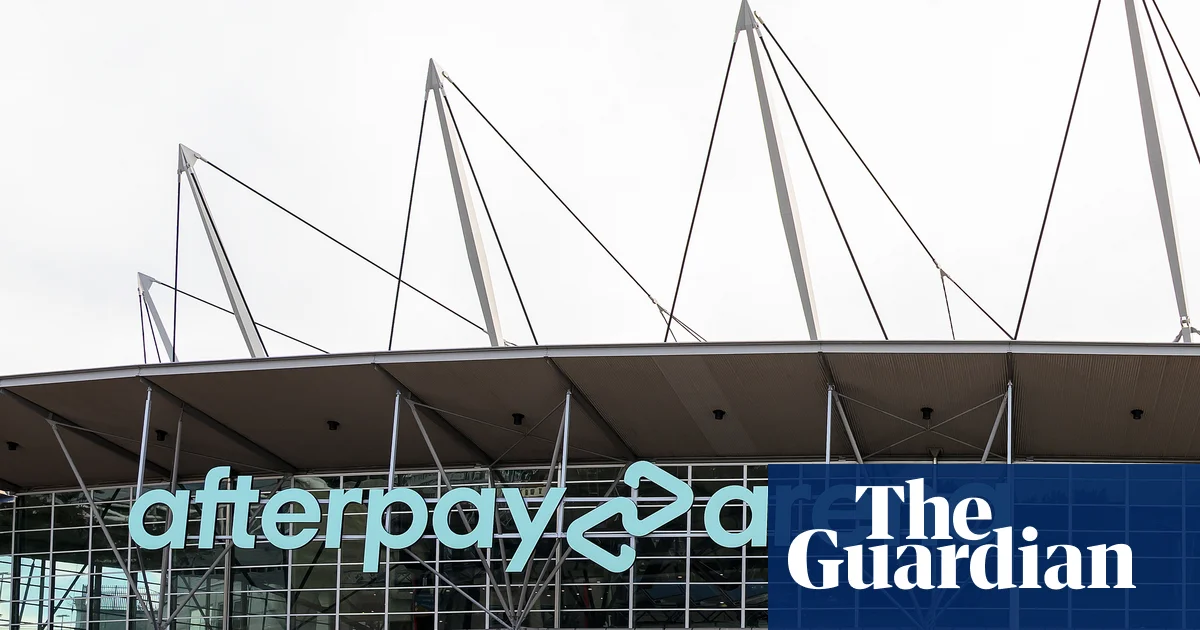
Sydney's SuperDome is now known as Afterpay Arena under a multimillion-dollar naming rights deal. This was reported by Qazaqyia.kz citing The Guardian.
Afterpay has never turned a profit in Australia. Last month, it spent millions to take over a Sydney Olympic Park arena. The company says Afterpay Arena will be the first venue where Australians can "buy now, pay later" for their event tickets, merchandise, dinner and even alcohol.
The deal to take the naming rights from a traditional lender, Qudos Bank, is the latest evolution for a sector which has rapidly expanded over the past decade. But as growth slows and players leave the market, is the Buy Now Pay Later boom over?
Australians' yearly spending through buy now pay later (BNPL) platforms grew $3bn a year in the late 2010s but slowed to growth of $1.5bn in 2025, according to the Reserve Bank. And while BNPL arrived promising to one day replace credit cards, Australians spent 20 times more via credit cards last year than through BNPL ($22bn).
At least eight BNPL platforms have left Australia since 2022, including the National Australia Bank withdrawing its product earlier this year, leaving four major operators: PayPal, Klarna and Zip (each with about 2 million customers) and Afterpay, with 4.5 million.
Afterpay and Klarna report they are growing, while PayPal's Pay-in-4 service customers have not grown since 2023 and Zip has seen a 7% year-on-year fall in users. Zip will leave the New Zealand market on Monday.
Credit agency Equifax has found new BNPL account applications in the three months to June 2026 were down 35% from the previous year.
Experts attribute the slowdown in part to 2025 laws that aimed to stop companies approving customers for funds they couldn't afford to repay. The reforms defined BNPL as a form of credit, forcing companies to perform credit checks and report new accounts to credit agencies, potentially affecting future activities like mortgage applications.
Kevin James, analyst at Equifax, says the reforms have stopped platforms from offering instant approvals, detracting from their unique appeal. Some customers have turned to other forms of lending like credit cards and personal loans, he says.
"If I wanted to go for a BNPL product in 2022, I would have found it relatively easy," James says. "Once it became more regulated and had more friction, then I think people changed."
Before the reforms, younger shoppers had piled into BNPL's promise of getting goods and services immediately and spreading out the interest-free payments over time. Users were instead lumped with late payment fees, or cut off from platforms, if they failed to repay.
Afterpay has reported 2.9% of customers were three months late on repayments in June 2025, compared with 2.1% for credit cards. Contacted for comment, the company said 2% of purchases in the last three months 2025 attracted late fees. The company earned $123m in late fee revenue annually in 2024 and 2025, according to its Australian accounts.
With uptake slowing, companies have been working to expand the range of outlets that accept BNPL and to encourage existing customers to spend heavily on more types of products. Businesses pay the platforms a fee of 3% of a transaction's value when customers use BNPL, on average. In comparison, credit card fees are 1% and debit card fees a fraction of that. In exchange, those businesses hope BNPL users will spend more.
Fees from merchants make up the majority of Afterpay's local revenue, at $625m in 2025. The company, owned by the US-based business Block, recorded a $741m pre-tax loss in Australia as it has repeatedly slashed estimates of the value of its local business.
Afterpay's Asia-Pacific vice-president, Mike Ryan, says the company is giving users a greater range of businesses at which to use its services so it can become their first choice of payment method. Afterpay had been adopted by 290,000 Australian businesses by 2024, adding Uber and Amazon in Australia in 2025. He says Afterpay is seeing "significant wins" in spending on petrol, convenience and groceries and plans to expand into insurance, travel and telecommunication. The company declined to share supporting data, but advocates have long warned the rising cost of living has pushed customers to BNPL for essentials.
Angel Zhong, a professor of finance at RMIT, says it will soon be harder for platforms to sign up new businesses. The Reserve Bank's ban on card surcharging is set to make card transactions even cheaper, meaning businesses could find higher BNPL fees less palatable.
"Merchants would likely stay away, unless they can see that while using BNPL, they can attract a strong customer base," Zhong says.
Michael Ebstein, from MWE Consulting, says the industry can survive at a slower pace as consumers will still want to spread out their spending. "I think there'll still be attractive growth for the next couple of years, but that's all," Ebstein says.
But Grant Halverson, from McLean Roche, says the sector has been "dying slowly". Halverson believes the remaining operators will have to abandon the fee-free, interest-free model that made BNPL's name, by adding fees or introducing new products to raise revenue from a stagnating base of users. Zip, for example, charges monthly fees and interest on some products unless customers meet certain conditions. The trade-off is that Zip cards can be used anywhere. Afterpay offers a similar product, "Afterpay Plus", which charges users $9.99 a month to pay in instalments anywhere that acc