The prospect of the steepest property market downturn in history will not stop the Reserve Bank of Australia (RBA) from delivering a fourth interest rate hike as it battles to bring inflation back under control, economists say. This was reported by Qazaqyia.kz citing The Guardian.
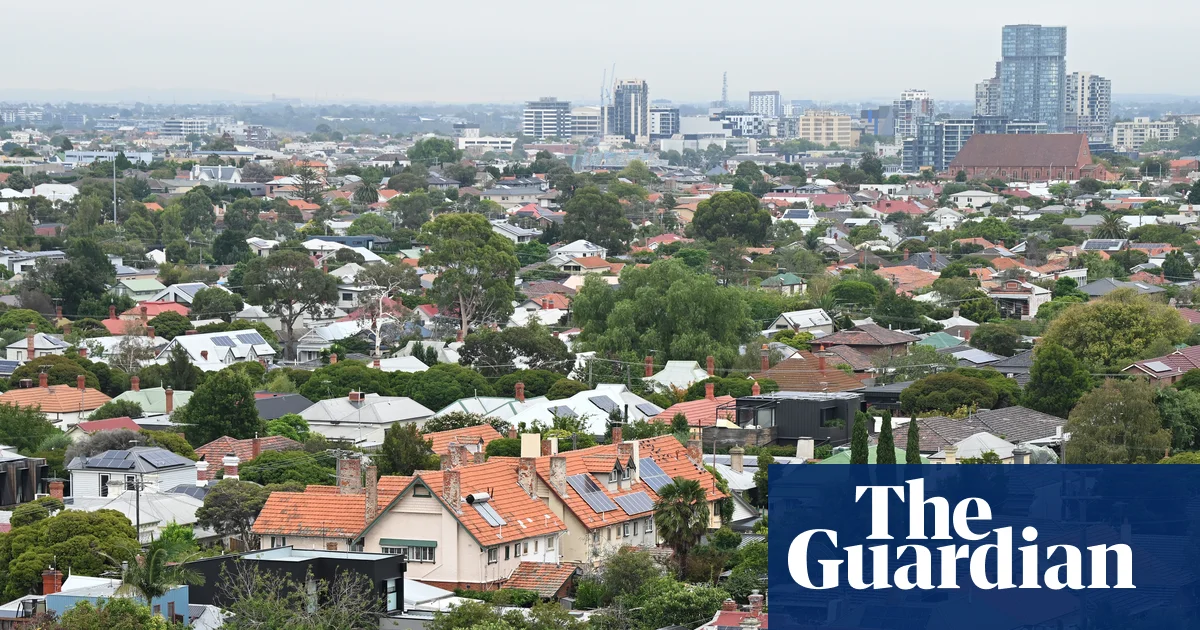
New data from Cotality revealed house prices are now falling in more than 90% of Australian suburbs, amid a perfect storm of higher borrowing costs, a weak economy, and a once-in-a-generation change in the tax treatment of property investors.
Shane Oliver, AMP's chief economist, said average home values would continue falling for the next six to nine months, by which time property prices nationally would be about 10% down from their recent peak.
"That would be the worst in the postwar period," Oliver said, although the figure is not hugely out of line with previous property market corrections in the order of 8% – most recently in 2022-23.
In response to the evidence of a more rapid and wider decline, CBA analysts predicted an eventual 12-13% drop in Sydney and Melbourne property prices alongside 8% falls in Brisbane, Perth and Adelaide.
Even then, the losses will not put a dent in Australia's chronically unaffordable housing, Oliver said.
"In some ways this just takes us back to where we were a year ago for many cities across the country. And we were complaining about housing affordability then, so not much will change."
Michele Bullock, the Reserve Bank's governor, told reporters at her post-meeting press conference on 11 August that the housing market downturn was "not the main game" when it came to rate decisions, and noted that property prices were still 50% higher than they were in 2020.
Oliver said it was clear it would be a discussion point at upcoming RBA board meetings at the end of this month and in November.
"I think they will think twice but they'll continue to hike for the simple reason that the bigger problem right here, right now is inflation – and house prices have only just flicked off the top," Oliver said.
Jonathan Kearns, the chief economist at Challenger, agreed that the weakness in the property market would not be enough to prevent another interest rate hike, which, like Oliver, he believed would come at the meeting in early November.
Kearns, a former senior RBA official, said while the property market correction was coming harder and faster than anticipated, "it's not large enough for them to say we don't need to hike".
Even as inflation remains too high for comfort, some experts warned that national accounts figures on Thursday morning could show the economy barely grew through the three months to June.
Belinda Allen, CBA's head of Australian economics, said she expected GDP to have expanded by just 0.1% in the most recent quarter, in what would be the weakest growth in two-and-a-half years.
"If these numbers print as expected tomorrow [Thursday] it does show that the Australian economy has slowed, but inflation has not," Allen said.
"Rolling supply shocks, more Australians spending money domestically than offshore and weaker productivity growth are acting to keep inflation high and the RBA has more work to do."