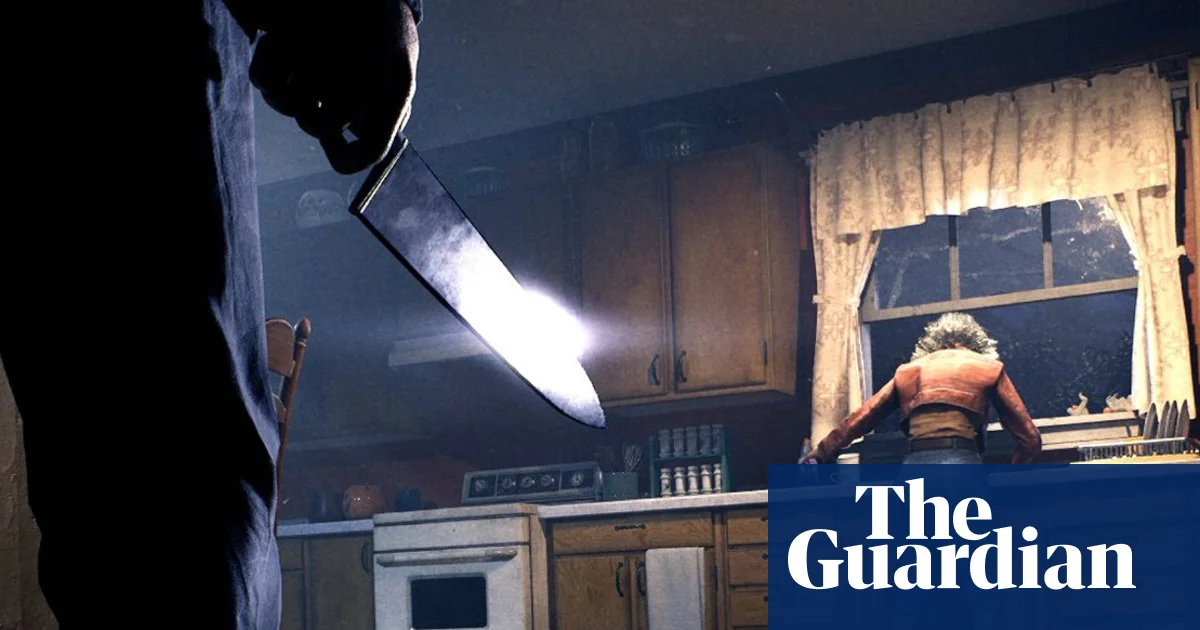
Australia has banned Halloween: The Game because players can smoke marijuana to locate Michael Myers. This was reported by Qazaqyia.kz citing The Guardian.
The game, developed by US company Illfonic, allows players to use marijuana to gain a gameplay advantage. The Classification Board deemed this 'incentivised drug use' and refused classification, banning the game from sale in the country.
The board stated: 'Halloween: The Game contains illicit drug use that is linked to an incentive or reward, in that use of the drug provides a gameplay advantage to the player. It is on this basis that the game has been refused classification.'
Following the decision, Illfonic's social media accounts were flooded with angry comments from Australians. More than 500 complaints were received by the board.
This case has reignited long-standing grievances about how games are classified in Australia compared to films and television. Claire Henry, associate professor at Flinders University, says the board enforced the guidelines correctly, but the controversy highlights 'a mismatch between the community standards and the classification standards'.
Previously, games such as State of Decay, Wasteland 3, and Saints Row IV were banned in Australia for the same reason. All were later reclassified after censoring aspects of their gameplay.
Dan Golding, professor at Monash University, says two assumptions underpin game classification in Australia: 'Games have always been regulated based on the assumption there is something more impactful about doing, in a game, than there is about watching, in a film. A second assumption is that games are for kids.'
Ron Curry, former CEO of IGEA, says the introduction of the R18+ category in 2013 reinforced the idea that games are more dangerous than other media. 'It still very clearly said games are different to all other media, it's more dangerous, and we need to treat it more carefully,' Curry said.
Margaret Anderson, former director of the Classification Board, says the current system is outdated despite research showing games are predominantly played by adults. 'Can we stop pretending that the way we classify games in this country, in 2026, is appropriate for adults? Because it's not,' she said.
Australian government research suggests interactivity may not increase the impact of video games, yet the classification system still relies on this principle. The issue has been debated for years but remains unresolved.