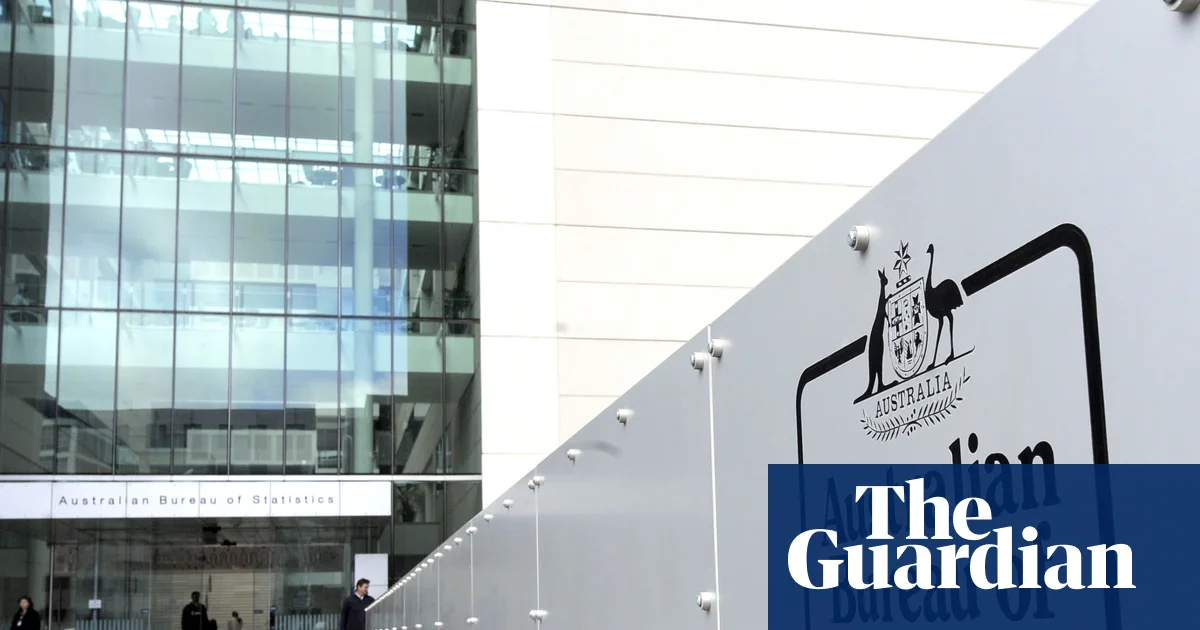
Australia would no longer be a majority religious country if the format of a question in the census was changed, according to a new survey. This was reported by Qazaqyia.kz citing The Guardian.
The Essential Media poll tested the existing census format, where people choose from a list that includes the most common religions, "no religion" and "other". At the 2021 census, about 39% of people selected "no religion" from that list.
In the new survey, released ahead of the 2026 Australian census on 11 August, 43% of people selected "no religion" when asked in the same format. But when given a "yes/no" option first ("do you have a religion?"), followed by a text box to fill in if "yes" was selected, 54% of respondents picked "no". That translates to about 2 million adults.
The poll was commissioned by the Census – Not Religious? Mark No Religion campaign, which says the format being used by the Australian Bureau of Statistics (ABS) is overstating the religiousness of Australia, and understating the numbers of those without any religion.
Spokesperson Michael Dove, a self-confessed "demography nerd", said the census was the "gold standard" of data needed to "inform debate, policy and ultimately funding decisions". "We trust the ABS to deliver us high-quality data that we can rely on and be confident that the right decisions are being made on the basis of the right data," he said.
The campaign website lists a range of surveys that have found the no religion cohort to be higher than the census's 39%. The religion question has long been a source of contention, and in some cases humour. In 2001, more than 70,000 Australians declared themselves Jedi Knights, inspired to Jediism by the Star Wars franchise. Pastafarians, members of the Church of the Flying Spaghetti Monster who use colanders as religious headwear, say they have checked the "no religion" box to avoid being counted as Christians.
There has been a steady decline in Christianity over the past 50 years, according to the ABS, but it was still the most common religion at the last census. Of those surveyed, 43.9% listed Christianity as their religion, while 38.9% ticked "no religion". The number of people from faiths other than Christianity and of no religion has been consistently rising.
The poll surveyed more than 2,000 people using the existing census question, and another group of more than 2,000 people with the proposed alternative. In the first group, 43% selected "no religion", 55% selected a religion and 2% chose not to answer. With the second option, that number flipped: 43% said they did have a religion and more than half (54%) said they did not (4% chose not to answer).
Religious affiliation was lower among those aged 18-34 (34%), and higher among those with a university education (50%) in the second group. The poll surveyed adults, while the census includes children – an adult fills it out for younger children.
After the 2021 census, the ABS considered changing the question, and said it had received feedback that the way the question is worded "assumes you have a religion", but that any changes might mean "the data would not be comparable with data from previous censuses". Dove said the campaign members were involved in two rounds of consultation with the ABS after the 2021 census and that the bureau was responsive. But in the end they rejected the change. "I think they have been compromised by the lobbying from the religious groups [who] have the strongest vested interests," he said.
The ABS has said it consulted with religious and secular organisations and that it was "not possible to design a question(s) that will meet the range of needs identified" and that it was not able to adequately support those who needed to be able to compare the data with previous censuses. It has provided extra instructions and updated examples for the next census, reordered the categories to reflect the most common religious groups from the last census, and changed the way the data is processed so that "the most granular level of detail provided by respondents is recorded". Dove said the "ship's sailed" for the 2026 census. "We've already got our eyes on 2031," he said.