The Australian government has introduced a suite of new laws cracking down on big tech to parliament this week. This was reported by Qazaqyia.kz citing BBC News.
The centrepiece of the proposed reforms is an algorithm switch which would force social media platforms to let users turn off recommended content. The idea is that users would only see posts from accounts they follow.
It isn't the first government to try this, but existing algorithm controls are often transient and come with trade-offs in app functionality. Australia has set out to make its legislation tighter to stop this. The new laws would also impose a legal duty of care on online services.
But critics are concerned Prime Minister Anthony Albanese's government has bitten off more than it can chew in its fight with big tech. Others, including the Trump administration, say the reforms threaten free speech.
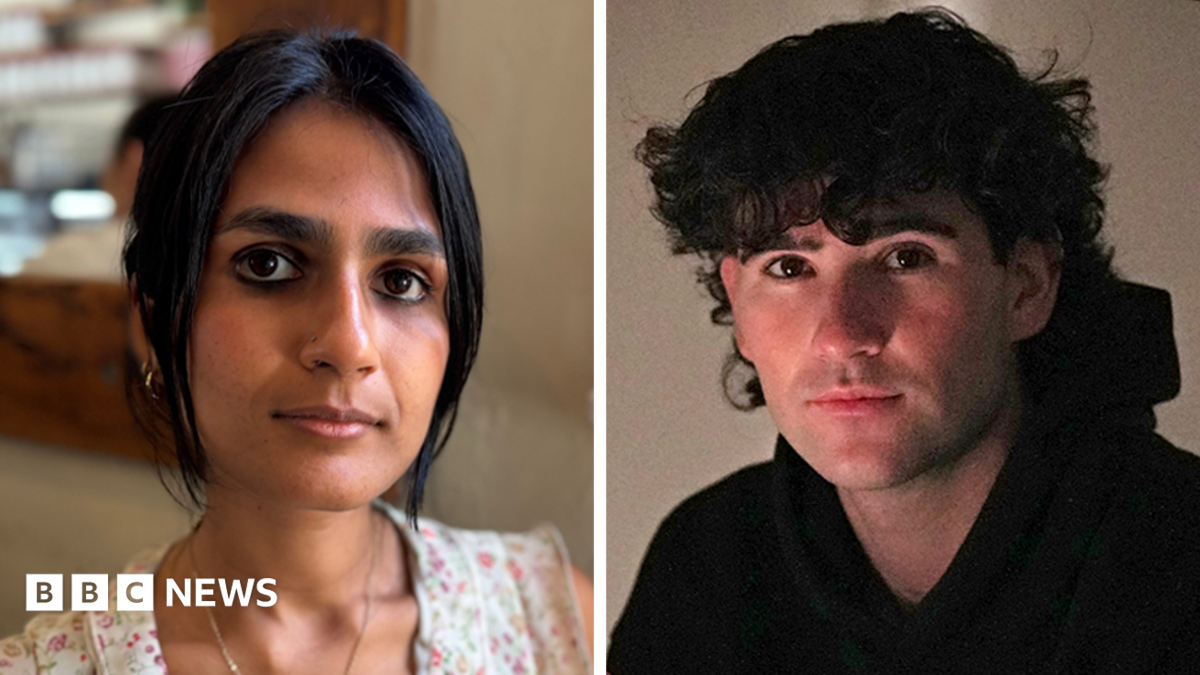
Varsha Yajman, now 24 and in recovery from anorexia, was already self-conscious about the way she looked when she joined social media as a 13-year-old. Endless workout videos making impossible promises filled her feeds. Through the screen, girls she'd never met urged her to sign up to dangerous calorie challenges. Others proudly promoted their height and weight - even the number of times they had been sent to hospital - on their profiles in a form of twisted competition.
Varsha tells the BBC: "I was like, 'I don't need to eat. I can just watch other people eat'. I would find that I'd be down these really deep rabbit holes... it was like no matter how hard you tried to get out, you couldn't."
She says she is still served weight loss content on social media - despite having every safety setting turned on, and an exhaustive list of banned words.
Flynn Martin knows what it is like to be sucked into an algorithmic spiral. Self-proclaimed misogynist influencer Andrew Tate and other manosphere figures started overwhelming the then-20-year-old's social media feeds about four years ago. It was a time when Flynn, who was eventually diagnosed with bipolar disorder, was insecure, frustrated with his life and struggling with his mental health.
He soon went viral in Australia for two videos: one ranting about whether it was OK to be a straight white male, and another where he criticised a date for her frozen yoghurt order.
"You find yourself in like a bit of an echo chamber... It's easy to get swept up in that," he tells the BBC. "I really bought into the idea we were living in this matrix, we had this really negative system that was designed against you. And the only way to break out of it was becoming this alpha male character."
The Melbournian was only pulled from the manosphere after a period of psychosis and a hospital stay.
Nowadays, he finds it tough to look back at that version of himself: "While there's a bit of shame and embarrassment... I think there is a bit of empathy for that younger man."
Both Flynn and Varsha know social media alone isn't to blame for the worst chapter of their lives, but say it was a key factor.
Countless others have stories of being confronted by social media content they didn't seek out, and didn't want to see - and there's long been suspicions the algorithms curating these platforms are harming users.
Social media firms argue the potential risks are being overstated and that they already provide users with effective safety tools.
But research emerging from around the world has been sketching a different picture. Studies have found social media use triggers a similar brain response to gambling and substance addiction; that algorithms - often unsolicited - serve up content which harms users' mental health; and that they're spreading disinformation and increasing polarisation, driving violence offline.
Court cases and whistleblowers have aired claims that these companies know the dangers and are willing to overlook them as this technology lifts user engagement and their bottom line.