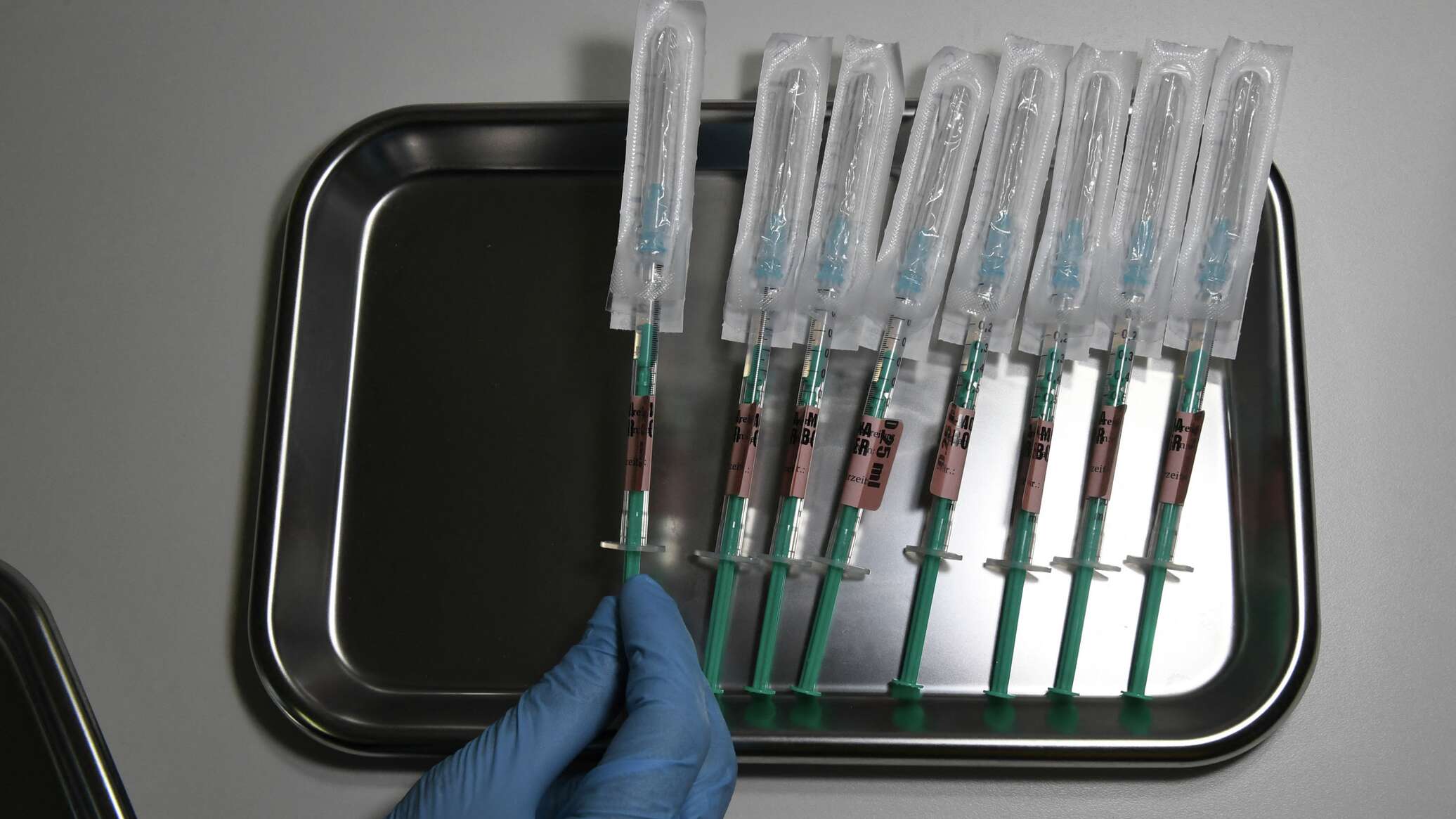
Aigul Shagaltayeva, head of the Department of Sanitary and Epidemiological Control of Astana, explained the procedure for vaccination against the human papillomavirus (HPV). This was reported by Qazaqyia.kz citing Sputnik Kazakhstan.
Currently, the quadrivalent vaccine "Gardasil" produced in the USA is used. The drug is administered twice with an interval of six months. To date, 17,567 girls aged 11-13 have received the first dose of the HPV vaccine, and 10,652 girls have received the second dose. Since May 18, a planned vaccination campaign for girls aged 14-18 has begun.
The vaccine does not cause infertility
"The vaccine against the human papillomavirus does not cause infertility. On the contrary, its main purpose is to protect reproductive organs from oncological diseases," said Shagaltayeva.
According to research by the Kazakh Research Institute of Oncology and Radiology and official statistics, within the framework of the pilot vaccination program conducted in 2013-2015, 131 women who received the vaccine gave birth to one or two healthy children over the next ten years.
Purpose of vaccination
The main goal of vaccination is to prevent cervical cancer, which is common among women. The vaccine protects against HPV types 6, 11, 16, and 18, including oncogenic types 16 and 18 with high risk.
The vaccine does not contain a live virus, so it cannot cause infection. After vaccination, short-term reactions such as redness at the injection site or a slight increase in body temperature may occur. These are normal and safe phenomena.
New vaccine and plans
Currently, work is underway to purchase the nine-valent vaccine "Gardasil 9", which protects against nine types of HPV (6, 11, 16, 18, 31, 33, 45, 52, and 58). In the future, it is planned to include boys in the HPV vaccination program.