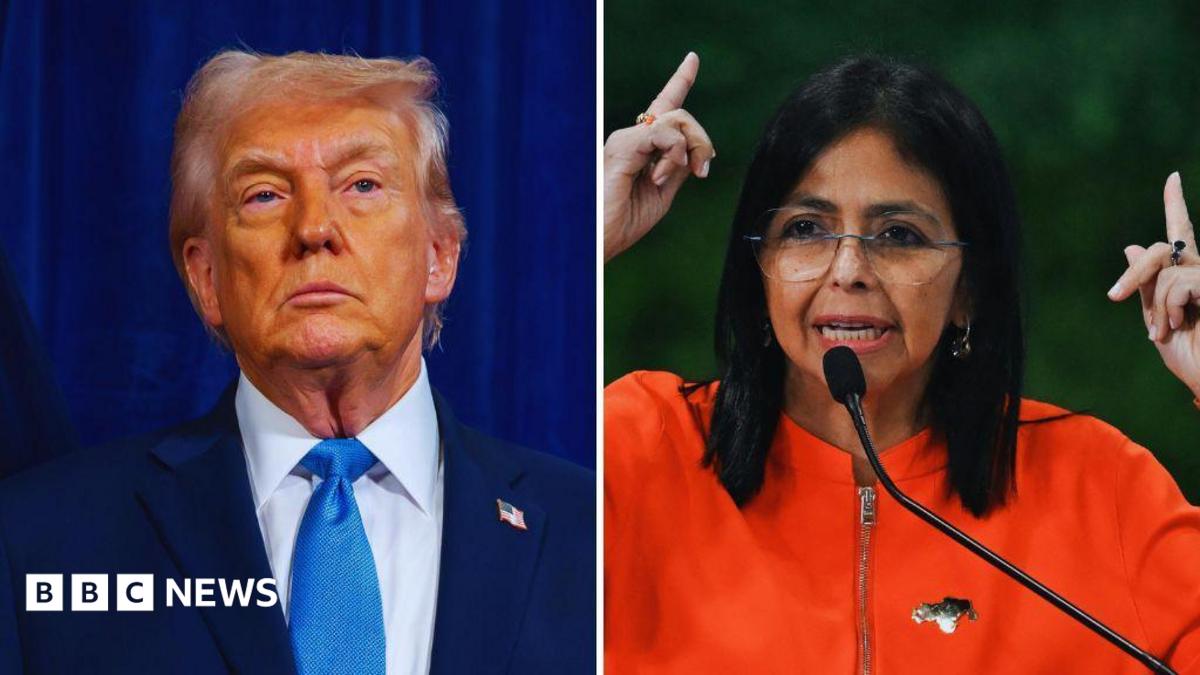
A huge US-Venezuela oil deal has puzzled analysts and angered many Venezuelans. The agreement grants 100-year concessions on 65 billion barrels of crude. This was reported by Qazaqyia.kz citing BBC News.
US President Donald Trump and interim Venezuelan President Delcy Rodríguez have both heralded the deal as a success. Trump called it "the biggest oil deal in world history", while Rodríguez said the agreement was "historic", and would generate $100bn in investment and more than $200bn in tax revenue.
The agreement grants a US-led company 100-year concessions over 17 oilfields in Venezuela, amounting to a staggering 65 billion barrels of crude. That equates to more than a fifth of the country's proven oil reserves.
Trump's former special representative on Venezuela and Iran, Elliott Abrams, said: "This is a terrible deal. [Rodríguez] has given away 20% of the national patrimony for nothing."
The White House released a fact sheet detailing the framework. The US government will work alongside a private business in Venezuela called North American Blue Energy Partners (Nabep). The US government will have "veto power over the appointment of any member of the board of directors, and a majority of Nabep's board of directors must be US citizens".
Secretary of the Interior Doug Burgum said the pact was "shifting the geopolitical centre of the global energy markets" away from the "choke points in the Middle East" and back to the Western Hemisphere.
Abrams argued the terms are so one-sided they are a "kind of fever dream of what colonialism looks like". The White House has spoken of the deal having "re-established the Monroe Doctrine".
Energy experts warn the dire state of the Venezuelan oil sector means a decade is more realistic for profit generation, contrary to Trump's claim of two to three years.
Luis Pacheco, of the Baker Institute at Rice University, said Venezuela needs to invest about $100bn over eight years to return to its oil production levels of 30 years ago. He stressed the importance of knowing who will manage those resources and for what purpose.
The Venezuelan opposition is concerned the deal deepens Trump's relationship with Rodríguez, whom they accuse of heading the same regime as Maduro. Nobel Peace Prize winner María Corina Machado may not publicly criticise Trump, but economist Ricardo Hausmann said: "You chose to use the power of the United States not to liberate Venezuelans, but to ally yourself with our oppressors."
The lack of an imminent election in Venezuela strikes many opponents as a betrayal. Many Venezuelan socialists see the deal as capitulation. Former PDVSA head Rafael Ramírez said the deal "hands over [the oil] and opens the doors to a new colonialism of the United States".