The 2026 World Cup in the US is setting records for attendance and TV ratings, boosting the sport's popularity in the country. This was reported by Qazaqyia.kz citing BBC News.
In many countries, football is not just a national sport but an obsession nurtured over decades. That can't be said about World Cup co-hosts USA where American sports have a longer history and dominate the media coverage, the sponsorship deals and the national conversation.
Soccer, as it's known in the US, has made big strides in the country since it last hosted the men's tournament in 1994. But it's still some way behind women's football, which is a global powerhouse and higher up the US sporting pecking order.
As the men's team prepare to face Belgium on Monday evening for a place in the last eight, could they capitalise on this rare national spotlight to elevate the game to new heights of popularity - and muscle in on baseball, American football, basketball and ice hockey?
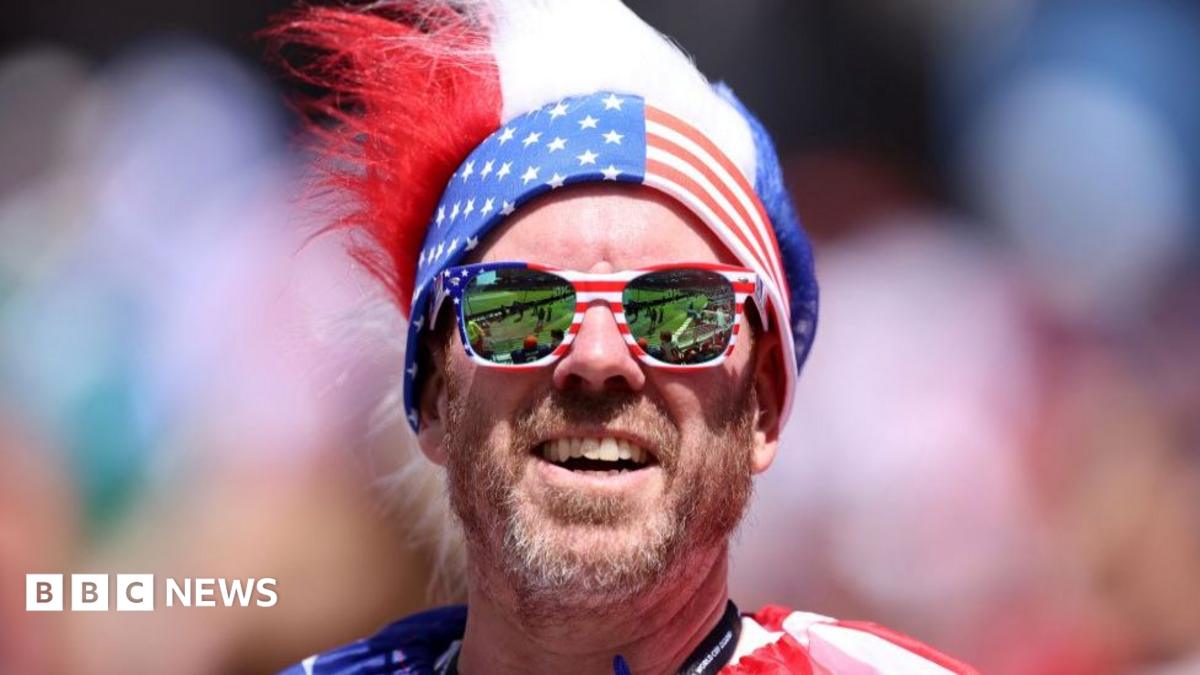
Americans are flocking to World Cup matches in every corner of the country, and celebrities and ardent football fans have been donning stars and stripes for the US Men's National Team (USMNT).
Pop-up shops are teeming with football merchandise and viewing parties are spread across parks, shopping centres and even museums.
The sight of USA fans in colourful jerseys is commonplace throughout the host cities, and just about every restaurant with a TV has patrons transfixed on the latest drama.
Die-hard fans, many clad in American flags and US squad regalia, told the BBC they were convinced that whether the team won or lost, this World Cup could be a tipping point for the country.
While standing in queue for a burrito just before the USA v Turkey match in downtown LA, documentary filmmaker Erik Olsen, who has watched many World Cups, said this tournament had been a unifying experience.
"To have all these different people come together to cheer on the US team, and maybe even their own team - if you're from Mexico or Argentina or someplace else - we need that kind of global spirit right now," he said.
Steve Salcedo, a lifelong football fan who has been cheering during the tournament for both the US and Mexico teams, said his son and his friends had embraced the sport, more than he and his friends did at their age. And he was confident that football fever would outlast the tournament.
"The hype is definitely here for the World Cup, it'll be here until the World Cup ends. Of course it's going to die down, but in general I think soccer is here to stay," he forecasted.
Keenah Pacheco, 16, came to the fan zone with her mom and friend, and said she used to cheer for Mexico but now backed the US team. The excitement prompted her to consider picking up the game herself.
"The last time I played soccer was when I was eight years old. Watching the World Cup has really made me want to play again, so it's really bringing out this passion back," she said.
This 2026 World Cup is touting record-breaking TV ratings, historic ticket demand and packed fan events across the host nations. An average US audience of 18 million tuned in for the USMNT's opener against Paraguay across Fox's platforms, and another seven million viewers watched on Spanish-language Telemundo, the broadcasters said.
While tournament co-host Mexico has historically adopted the sport more deeply than Americans, the US role as co-host - plus the fact the lion's share of games have taken place US soil - has helped Americans come around to the sport more than ever before.
US President Donald Trump, who hasn't yet attended any matches, has called the attendance records "a great tribute to the United States" and Fifa President Gianni Infantino has dubbed it the "most successful event in history".
This tournament features more matches than ever before, and North American stadiums have enormous capacities to accommodate even more fans, naturally upping the consumption of this World Cup. Fifa announced last month that fan attendance had exceeded 3.6 million in the first two weeks of play, surpassing the record of 3.58 million set in 1994 - when the US last hosted the tournament. Many of the attendees have been American fans - not just those with family links to other teams, but also people simply adopting another nation.
But while attendances soar and TV ratings for matches show increased interest on par with the NBA Finals and the World Series of baseball, it's not yet clear how long it will last. For some analysts, it remains to be seen whether or not this will be a breakthrough moment.
"It's gone from around the fringes to being mainstream in the sense that there is a strong minority group of people that love it - that's the biggest difference," said Jeff Schneider, executive director of the Center for Sports, Entertainment, Media & Technology Law at the University of Southern California (USC).
Schneider argued that football - which is regarded as a "foreign import" by many Americans - is never going to be in the zeitgeist like American football or basketball. Those sports have longer-established history in the states and came of age at a time when media was not as pervasive "and when people spent their leisure time doing things, not passively consuming things".
But he conceded that there was a firmly established foothold of loyal fans who both watch and play the sport - and that number has been increasing.
"Soccer has picked up where [American] football as a youth sport has declined," said Steve Bank, an expert in sports law at the University of California Los Angeles School.