Ballots are still being counted in the US midterm elections, but the political landscape is already pivoting to the 2028 White House race. This was reported by Qazaqyia.kz citing BBC News.
Buoyed by major gains in Congress, Democrats will have momentum as they prepare for the contest to succeed President Donald Trump. But a good showing in the midterms does not guarantee a White House win two years later. Barack Obama was re-elected in 2012 despite huge Republican gains in 2010.
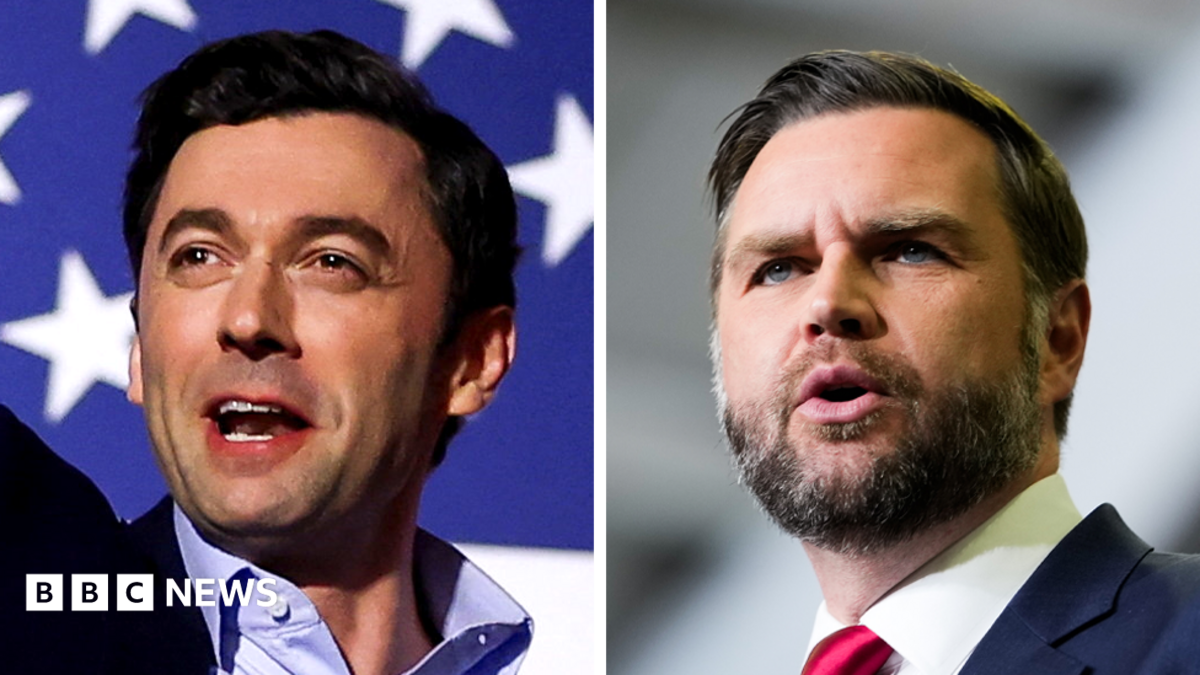
No one has yet entered the presidential race, but potential candidates will be preparing behind the scenes. Vice-President JD Vance's reflection on where the midterms went wrong for Republicans has been interpreted as him paving the way for a 2028 run.
The results of Tuesday's election and the historic size of Democratic gains could shape the White House race in several ways.
Several prominent potential presidential candidates were running in the 2026 midterms - and some emerged looking strong. Georgia Democratic Senator Jon Ossoff won by a sizeable margin in the politically competitive state that Trump won in 2024. While he has previously said he has no plans to run for president, his successful campaign, with several viral moments, helped boost his national profile.
Another potential Democratic nominee, Pennsylvania Governor Josh Shapiro, swept aside his Republican challenger. Shapiro has not committed to a 2028 run, but analysts point to his broad appeal in swing-state Pennsylvania as a sign that he could be competitive on the national stage.
Illinois Governor JB Pritzker also won after a campaign pundits in his state described as a "tune-up" for a presidential run. California Governor Gavin Newsom could not run for re-election in the midterms, but he is invested in the outcome of a ballot initiative to tax the state's wealthy residents, which he campaigned against.
On the Republican side, there were two potential 2028 names running in Arkansas. Republican Senator Tom Cotton and Governor Sarah Huckabee Sanders - a one-time Trump administration press secretary - were able to stay in office by a narrower margin than before, both earning just above half of the votes in the conservative state.
What Democrats can and can't do with their new power after taking Congress
Published 1 day ago Five reasons why Republicans lost so badly
Published 1 day ago JD Vance and Trump's allies under pressure. Exit polls suggest the swing against Republicans was partly due to anger felt by voters at the actions of the Trump administration. That could present a challenge to his potential successors who come from the ranks of the current leadership, including Vice-President JD Vance and Secretary of State Marco Rubio.
"The one person who has been hurt badly by this election campaign is Vance," said Karen Beckwith, a professor of political science at Case Western Reserve University in Ohio.
Vance has already sought to distance himself from defeat - and from a foreign policy adventure in Iran that was politically disastrous for his party. "The reason we lost is the war," he wrote on X.
Rubio has denied reports he is considering leaving his post ahead of a 2028 presidential run.
Other possible Republican candidates may benefit from not being part of the administration. Some have been staking out a position on what went wrong and what next.
In a lengthy post on X, Senator Ted Cruz, who was not running this year, said that too many Republican politicians seem like "they didn't care" about the economic issues faced by voters. "It is dark right now, but it is always darkest before the dawn, and morning is coming," he wrote. "That is my fervent prayer, and that is my commitment to you."
Florida Governor Ron DeSantis, who abandoned his 2024 presidential run after being trounced by Trump early on, was similarly critical and pointed to Republican victories in Florida as a sign of what can be accomplished.
White House denies Hegseth and Rubio to leave jobs after Republican election losses
Published 15 hours ago Vance walks Trump tightrope with scathing election critique blaming Iran war