Americans are heading to the polls in midterm elections that will decide control of Congress. This was reported by Qazaqyia.kz citing BBC News.
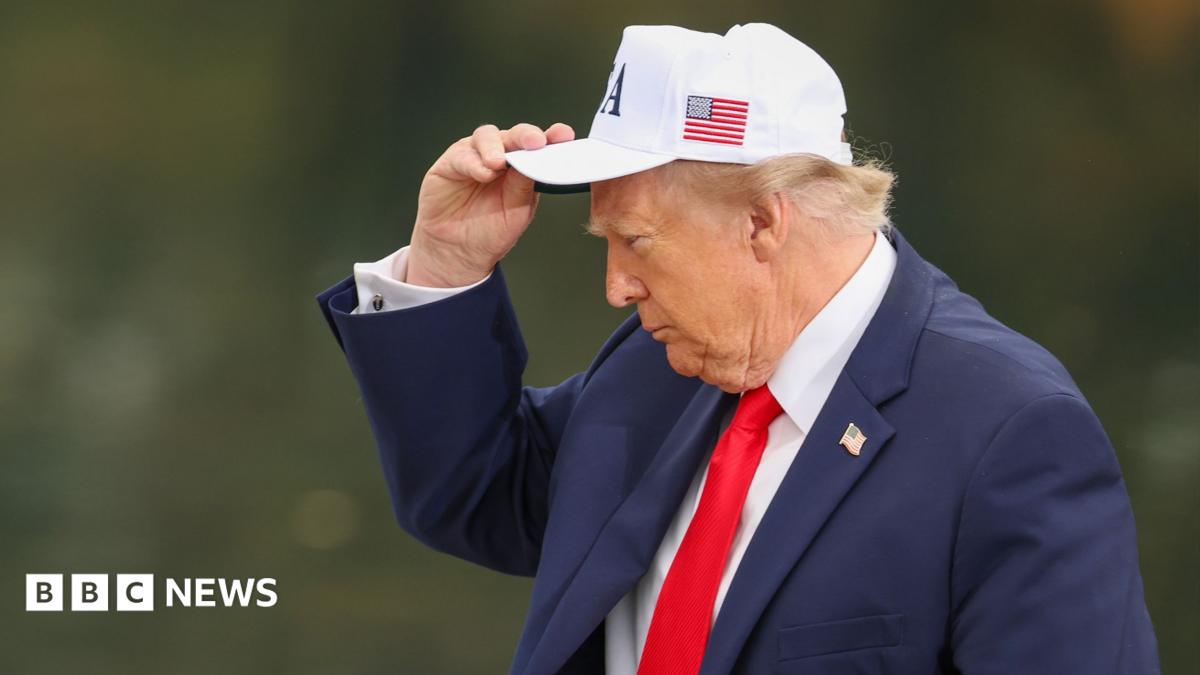
With two years of his presidency remaining, Donald Trump, who has dominated American politics over the past decade and transformed it in remarkable ways, is facing potentially pivotal elections. And the midterm elections on Tuesday that will decide control of Congress come at a difficult moment for his Republican Party.
Voters overwhelmingly say they are most concerned about the cost of living. Food and fuel prices have soared in part due to the president's aggressive tariffs and unpopular war with Iran, so it will be top of mind as many head to the polls.
Trump, who has faced record low approval ratings in recent months, has been campaigning hard, headlining dozens of rallies across the country. But high prices are a concern for voters on all sides - which helps explain why he has been campaigning in previously safe Republican territory, appearing in Iowa and Kansas during a final weekend blitz.
His party has also poured hundreds of millions of dollars of campaign advertising into these traditionally safe contests, such as the Senate race in Kansas. "When they start spending hard American dollars on political advertising in a state that they should be winning, that's how you know that they think they're in trouble," Carrie Dann, the managing editor of the Cook Political Report, which analyses campaigns and elections, told the BBC. "The spending [in Kansas] is going to be far more than Republicans ever anticipated," she added. That points to a party that is approaching these elections on the defensive.
At many of his rallies, Trump has also made a plea to voters. "In this election, I'm asking you to pretend, please, that I'm on the ballot," he said last month. "Just pretend." Of course, he is not on the ballot. But this plea - which he made again in Iowa on Sunday - gets to the heart of a critical question: Is he still an electoral asset for his Republican Party?
The answer to that is not as simple as it once was. Trump returned to the White House as a formidable force following his crushing 2024 election win - and had the healthy approval ratings to match. Before that, during the previous midterm elections in 2022, his endorsement was courted by Republicans who saw it as vital to success.
Now, with the war with Iran dragging on and hitting many Americans in the pocket, his approval ratings have sunk. The price of a gallon of diesel - which was $3.75 before the war started in February - hit a record high of $6.52 in September.
Inflation has also ticked up from 3% when Trump took office to 3.7% today, and economists estimate it would have been lower without his sweeping regime of global tariffs. There is concern among Republicans that this economic picture has left them vulnerable in typically safe races, in states such as Texas, Ohio and Kansas.
"The southern states, the midwestern states, the American heartland - that is where Republicans tend to thrive," said Stephen Hawkins, the global director of research at the pollster More in Common. "But that is where the Senate races that are so interesting are playing out right now. Places where President Trump won by 10, 12, 15 points just two years ago in the presidential race are now states where Democrats have a very viable chance of taking a Senate seat," he said.
When I asked voters in Iowa, a state Trump won in 2024 that has been hit by soaring fuel and fertiliser costs, whether the president would make people more or less likely to back Republicans - the answer was revealing. "With the current climate, I would think possibly less, believe it or not," Paul Ross told me outside a busy college football game. "As a Republican myself, I would think it might be detrimental." "I think it definitely puts voters off, there's no doubt about that, and I do think it probably raises the Democratic side to a level that isn't always there, just because it's Donald Trump," added Zach Shimp. "He's got us in the war," another voter, Rose Heming, said. "Prices and groceries [are] high - sky high - gas is sky high."
That is the story of this election. Many voters, including in solidly Republican states, are hurting financially and polls suggest they may want to make this known at the ballot box on Tuesday.
But it is too simplistic to think this backdrop of war, tariffs and soaring prices will usher in a thumping Democratic victory in the House, Senate and governors' races. Many Republican voters are angry with the president, but not so angry that they would vote for a Democrat. It is a mistake to assume that Trump's weak approval ratings translate to increasing popularity for the other side.