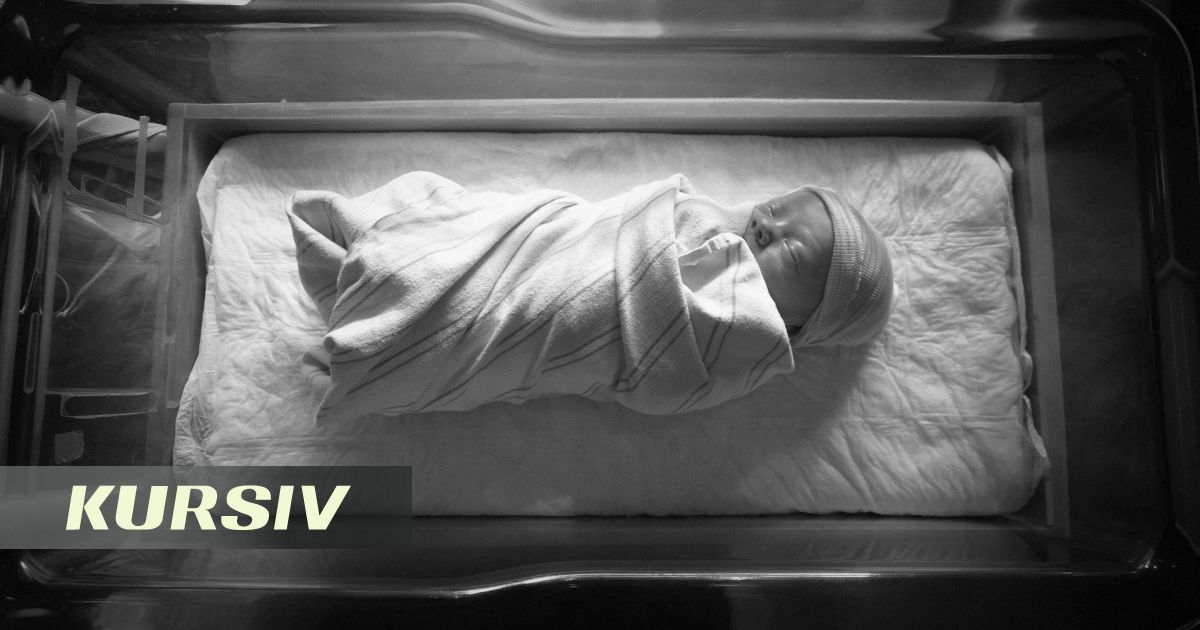
In the United States, the share of parents refusing vitamin K injections for newborns has more than doubled, rising from 3.1% in 2017 to 6.8% in 2025. According to a study published in the journal JAMA, a growing wave of skepticism toward vaccination has already led to infant deaths in the first six months of life, Bloomberg writes. This was reported by Qazaqyia.kz citing Kursiv Media.
The authors note that children who did not receive the vitamin injection had a significantly increased risk of bleeding in the brain and gastrointestinal tract by six months of age.
The study also showed that such infants have more than twice the likelihood of dying during hospitalization after birth due to bleeding.
"Some parents who want to use a 'natural' alternative refuse vaccination out of concerns that it will not benefit their children, will be toxic, cause pain, or trigger an allergic reaction," says study author Kevin Dysart from the neonatology department at Children's Hospital of Philadelphia.
Vitamin K vaccination was universally introduced in the US in 1961 to prevent severe bleeding in newborns, which can be fatal in about 20% of cases.
Vitamin K deficiency impairs blood clotting and can lead to dangerous bleeding and neurological disorders.
According to the study, for every 114 newborns who did not receive a vitamin K injection, one develops bleeding in the first six months of life. To obtain these findings, researchers tracked the condition of 5.2 million infants from all 50 states.
Kursiv previously reported on when to give the first vaccinations, which vaccines protect against multiple infections at once, why revaccination is needed, and what to do if the schedule is disrupted.
If this article causes you anxiety, discuss it with an artificial psychologist.