The Federal Reserve's preferred inflation gauge rose to a new three-year high in May, a sign rising costs could pose political problems for President Donald Trump and his political party as midterm elections near. This was reported by Qazaqyia.kz citing Associated Press.
Consumer prices rose 4.1% in May from a year earlier, the Commerce Department said Thursday, the largest annual increase since April 2023. On a monthly basis, inflation was 0.4% last month, matching April's increase and down from 0.7% in March.
The increase was largely driven by more expensive gas, as well as pricier semiconductors and other computer equipment that are in high demand for the AI buildout. Rising prices have caused the inflation-fighters at the Federal Reserve to keep their key rate unchanged this year, a reversal from January when they had penciled in two cuts. Some economists forecast the central bank could lift rates this year instead.
New Fed chair Kevin Warsh last week underscored the central bank's determination to drive inflation back to its 2% target, but he gave no sign of what steps the Fed might take. Some economists, however, now expect the central bank to increase rates this year. Those expectations upended U.S. markets this week, hammering fast-growing sectors like tech.
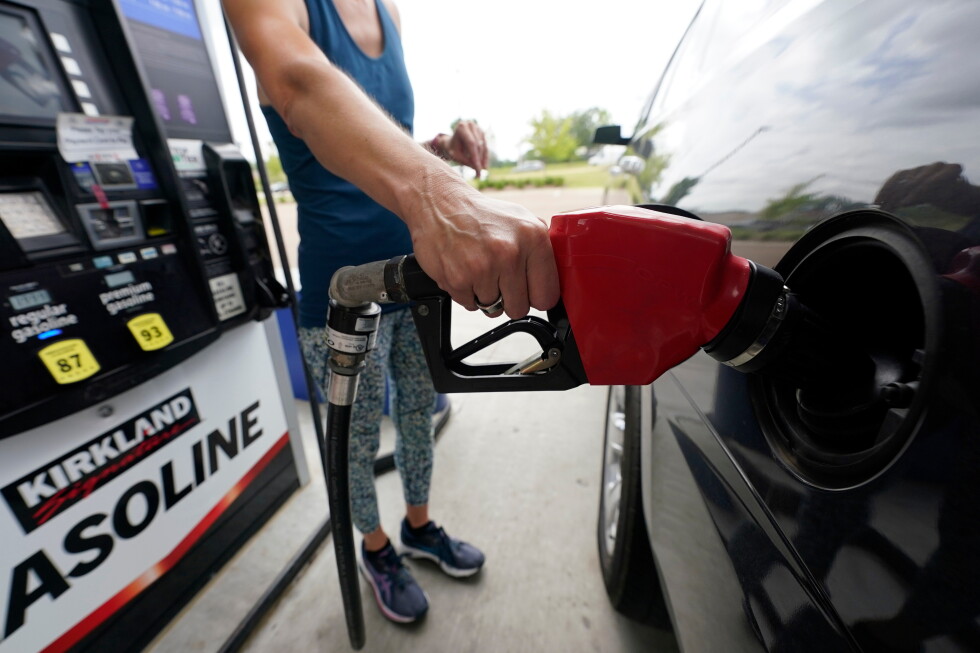
Oil and gas prices have fallen substantially since Trump agreed to a peace deal with Iran, but the conflict lifted gas prices to nearly $4.50 a gallon on average nationwide last month. They have since fallen back to $3.92 as of Thursday, according to AAA, but that's more than 20% above prices at this time last year as the driving season gets underway.
Excluding the volatile energy and food categories, core prices rose 3.4% in May compared with a year earlier, up from 3.3% in April and the largest increase since October 2023. On a monthly basis, they rose 0.3% from April to May, the same as the previous month.
Thursday's report also showed that consumer spending rose at a solid pace. Adjusted for inflation, spending data were not fully provided.