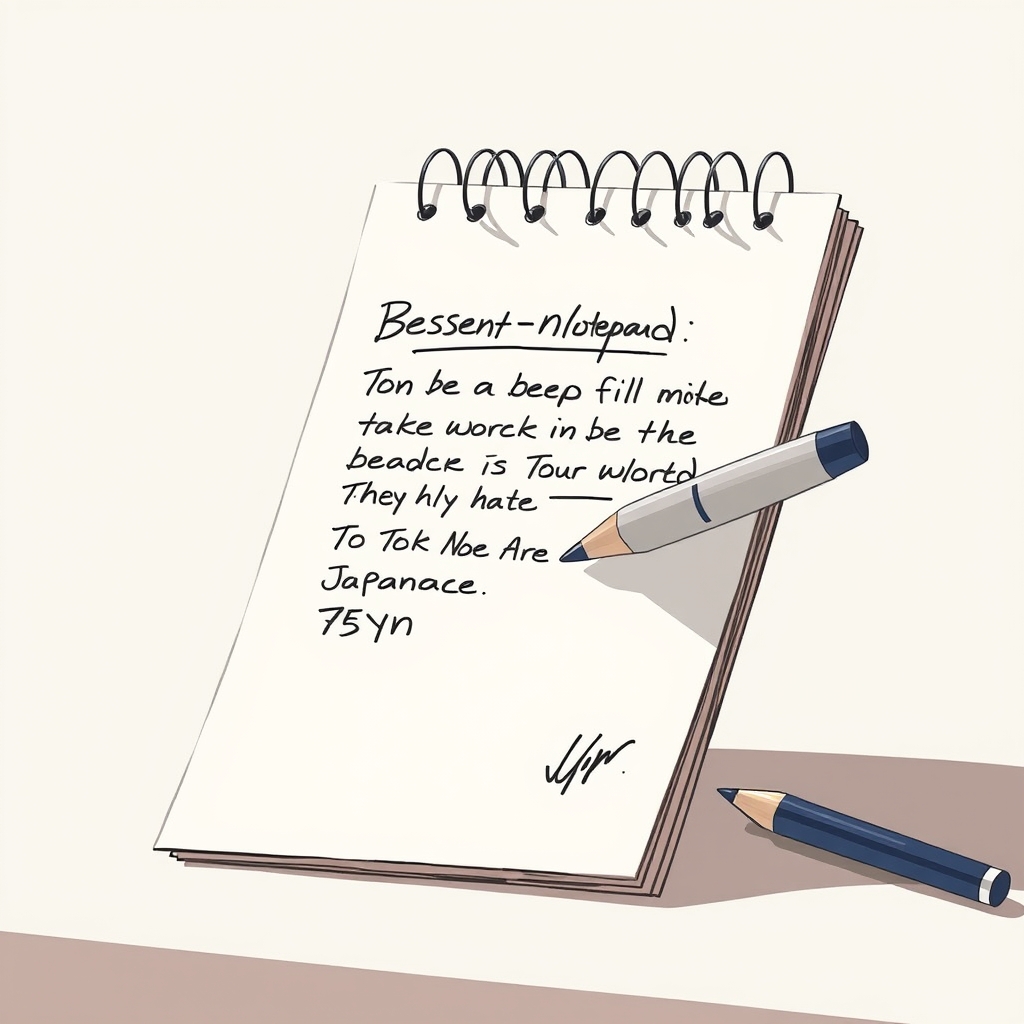
US Treasury Secretary Scott Bessent carelessly revealed plans for the US to buy $5bn-$10bn in Japanese yen during a cabinet meeting at Camp David on Friday. This was reported by Qazaqyia.kz citing The Guardian.
The image, taken over Bessent's shoulder during a portion of the meeting open to journalists, showed a Camp David notepad with the underscored words "To Do" followed by "Buy Japanese Yen (JPY) $5-10 bil". Bessent's name card on the Camp David conference table is visible and positioned immediately above the notepad.
The photograph was taken at 11.33am local time, Reuters reported. A treasury spokesperson did not immediately respond to a Reuters request for comment on the contents of the notepad, "or whether the treasury had intervened to help prop up the yen's value against the dollar on Friday", the news agency said.
Earlier on Friday, about two hours before the note was seen in front of Bessent, Reuters reported that the treasury department had notified a number of banks that it could intervene in the yen market that day, an unnamed source said.
Japanese authorities had stepped in to prop up the yen earlier on Friday, triggering a substantial strengthening of the Japanese currency during early trading hours. There appears to have been another sizeable strengthening of the yen against the dollar during the late afternoon on Friday.
Data from LSEG shows the dollar dropped from about 158.9 yen at around 4.14 pm ET to about 157.6 yen just before 5pm – a drop of about 0.8%.
The US treasury has not intervened to prop up the yen since 2011, when it joined other G7 countries in a coordinated action after a devastating earthquake and tsunami rocked Japan.
This incident raises questions about possible US intervention in the currency market. According to experts, such a move could affect the US role in the global financial system.
However, there is still no official comment from the Treasury. This situation is generating great interest in international financial markets.
Such a move by the US could significantly affect the value of the Japanese yen. This, in turn, could also impact the global trade balance.
Currently, market participants are awaiting an official statement from the US Treasury. This event could mark the beginning of a new phase in US currency policy.
According to experts' forecasts, if the US actually buys yen, it could lead to a weakening of the dollar and a decrease in the competitiveness of Japanese exports.
However, these are only assumptions for now. Exact decisions will be known after the Treasury's official statement.
This situation could also affect economic relations between the US and Japan. New changes to trade agreements between the two countries may be introduced.
Financial markets immediately reacted to this news. The yen continues to strengthen, while the dollar is weakening.
This event could serve as a basis for reconsidering the US role in the global financial system. Many experts assess this step as a new US strategy in the currency war.
However, since there is no official confirmation, this remains only a speculation. The Treasury's response is awaited.
This situation has also attracted the attention of international financial organizations. The IMF and the World Bank are closely monitoring developments.
In conclusion, this event could become one of the most significant events in the global financial market. Its consequences could be long-term.