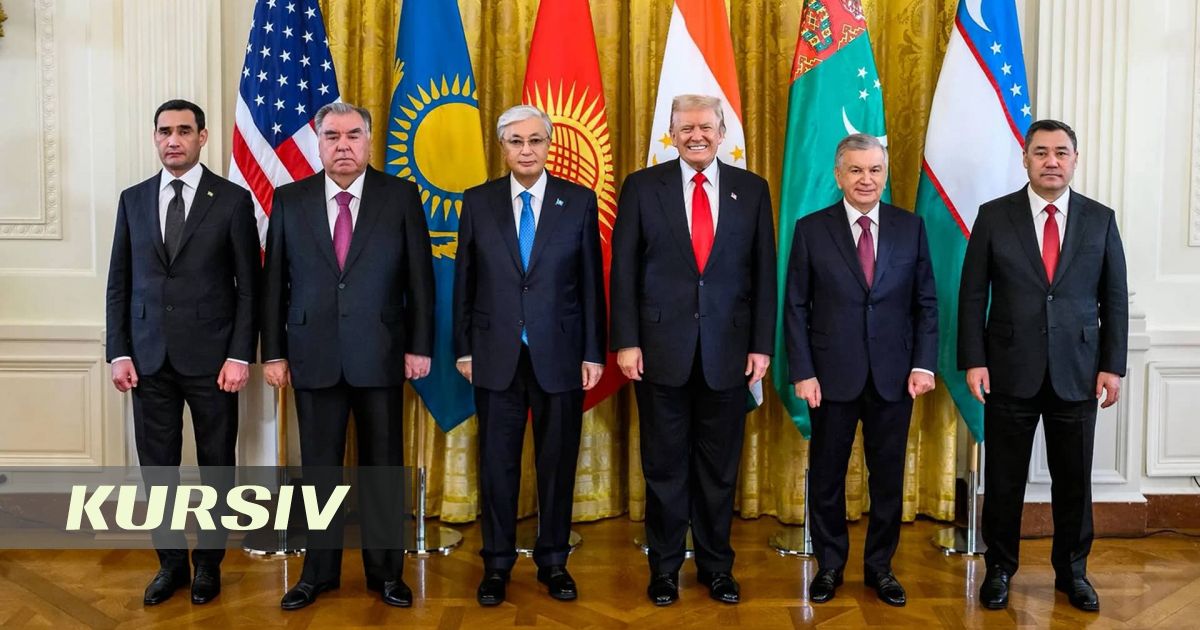
A meeting of the heads of foreign policy departments of the C5+1 format was held in Samarkand, attended by the foreign ministers of Kazakhstan, Kyrgyzstan, Tajikistan, Turkmenistan, Uzbekistan, and the US Secretary of State. This was reported by Qazaqyia.kz citing Kursiv Media.
The meeting participants confirmed their intention to deepen practical cooperation in ensuring the safety of nuclear materials, protecting relevant facilities, and developing the peaceful use of atomic energy on the basis of the treaty on a nuclear-weapon-free zone in Central Asia.
"We welcome the long-standing cooperation between the United States and Central Asian countries in ensuring the security of nuclear materials and recognize the joint contribution to strengthening expertise and capacity in the field of nuclear security in the region," the statement said.
In addition to nuclear security, the parties agreed on a joint response to new digital threats. The US and the countries of the region intend to form unified approaches to combating cyberattacks and cybercrime.
A separate block of agreements concerns strengthening borders, suppressing arms smuggling, drug trafficking, and illegal migration. In addition, the countries will join efforts of law enforcement agencies and cultural institutions to protect archaeological valuables and prevent the illegal export of ancient antiquities.
The details were shared by the US Embassy in Kazakhstan. The parties expressed commitment to further developing cooperation within the C5+1 format aimed at ensuring regional security and stability.
It is worth noting that the treaty on a nuclear-weapon-free zone in Central Asia was signed in 2006 and confirms the commitment of the region's countries to the nuclear non-proliferation regime. On its basis, cooperation in the field of peaceful use of atomic energy is planned to be developed.
Cooperation in the field of cybersecurity is becoming particularly relevant in the context of the development of digital technologies. The parties plan to take joint measures to prevent cyberattacks and cybercrime.
The issues of strengthening borders and combating smuggling also became an important part of the meeting's agenda. The need for joint actions against threats such as arms smuggling, drug trafficking, and illegal migration was noted.
The issue of protecting cultural heritage was also not overlooked. To prevent the illegal export of archaeological valuables and ancient antiquities, cooperation between law enforcement agencies and cultural institutions will be strengthened.
Thus, the meeting in the C5+1 format covered a wide range of issues of regional security and cooperation, confirming the common interests and intentions of the parties.