US and Qatari officials have said progress is being made in restoring a ceasefire in the US-Iran war and reopening the strait of Hormuz. This was reported by Qazaqyia.kz citing The Guardian.
The optimistic speculation on Tuesday brought oil prices down 2%, but the strait remained closed to shipping and a cargo vessel was reportedly struck by an unidentified projectile off Oman’s coast close to the strait.
Britain’s maritime security agency, UKMTO, reported the strike on Monday night but did not name the vessel.
The US treasury secretary, Scott Bessent, said the US and Iran were negotiating and told CNBC television: “I think there is a chance we may have a deal today or tomorrow to open the strait and move towards a more normalised position in this conflict.”
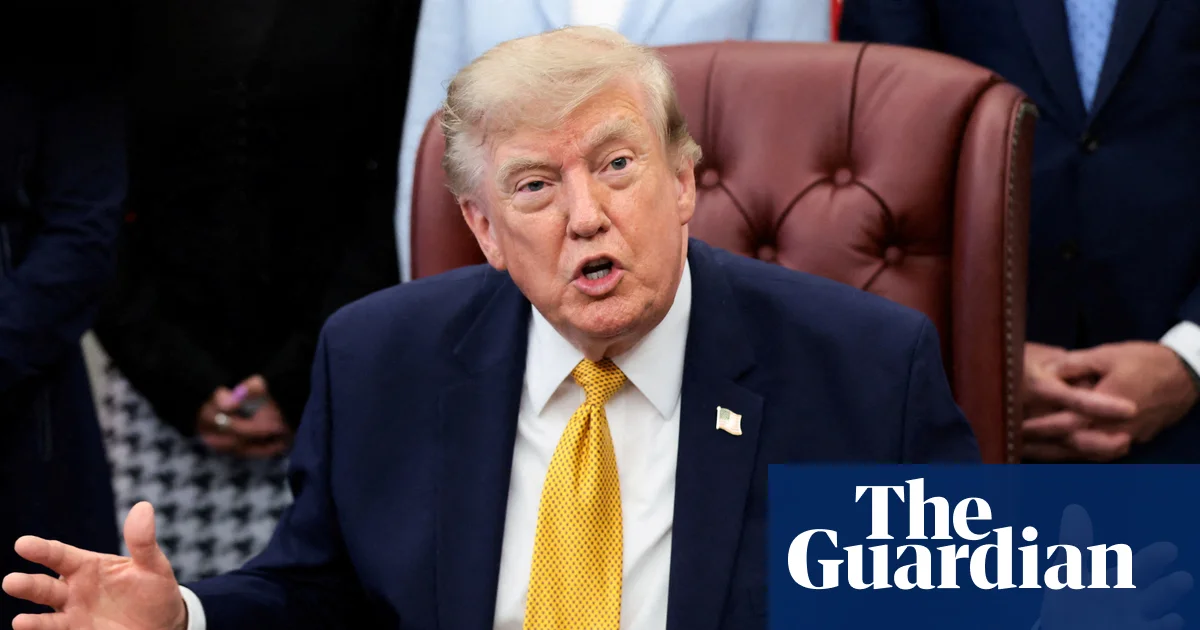
His remarks echo similarly upbeat comments on Monday from Donald Trump, who claimed that a breakthrough was imminent, though Tehran quickly denied it was involved in any direct talks with the US.
Qatari and Pakistani mediators said they were talking to both sides in an effort to close gaps, restore the ceasefire deal from the memorandum of understanding (MoU) signed in mid-June and reopen the Hormuz strait, which was the portal for a fifth of the world’s oil and liquified natural gas.
Qatar’s foreign ministry spokesperson, Majed al-Ansari, said Qatar, Pakistan and Oman were mediating in close coordination and exchanging draft proposals between Washington and Tehran. He said the diplomatic contacts had reached “very progressive stages”.
A senior Pakistani security official told Reuters news agency: “A lot is happening in the background … We are talking to both sides. Our sole goal at this moment is to make both parties at least agree to start talking.”
However, neither Qatar nor Pakistan are directly involved in the focus of negotiations in recent days, which has been between Iran and Oman on a temporary transit scheme that would allow ships to enter and leave the Gulf. The MoU broke down in July when vessels tried to cross the strait along the Omani coast without seeking Iranian approval, and Iran attacked them.
Regional diplomats involved in the talks said Oman was under concerted US, European and Saudi pressure to accept a temporary scheme that would allow shipping to enter the Gulf via a route through the strait close to Iran, and then leave on a southern route along the Omani coast, which would be jointly controlled with Iran.
The contentious issue of Iran’s demand to charge transiting vessels tolls or other fees would be left to be decided during a 60-day negotiating period, during which time Iran’s nuclear programme would also be addressed.
The Omani government has been resisting the Hormuz proposal out of fear it could become permanent and give Tehran an enduring say over sea routes in Omani waters, the regional diplomats said.
The Iranian state-run broadcaster IRIB reported on Tuesday evening: “These negotiations, taking place between the two coastal countries of the strait of Hormuz, are focused on determining safe routes for ships to transit. The talks have so far been assessed as positive at both the technical and political levels, and Iran is working with Oman to develop the necessary mechanisms for future arrangements to manage shipping traffic in this strategic waterway.”
The talks are complicated by splits in Tehran, according to the diplomats, with the foreign ministry keen to do a deal and fearing Iranian control of the Hormuz strait could prove to be a wasting asset over time as sea traffic finds alternative routes. Regime hardliners, on the other hand, oppose the deal on the grounds that the US administration cannot be trusted to deliver the financial benefits promised in return for opening the strait.
“I think the regime understands the magnitude of the hold Iran has over the strait, and they smell the desperation coming from the US in terms of [trying to] strike a deal,” a diplomat from the region said.
Another diplomat said Riyadh was putting particularly heavy pressure on Oman because the Saudis thought “we may be on the brink of a regional war because there is a big faction in Iran that does not want a deal under any circumstances”.