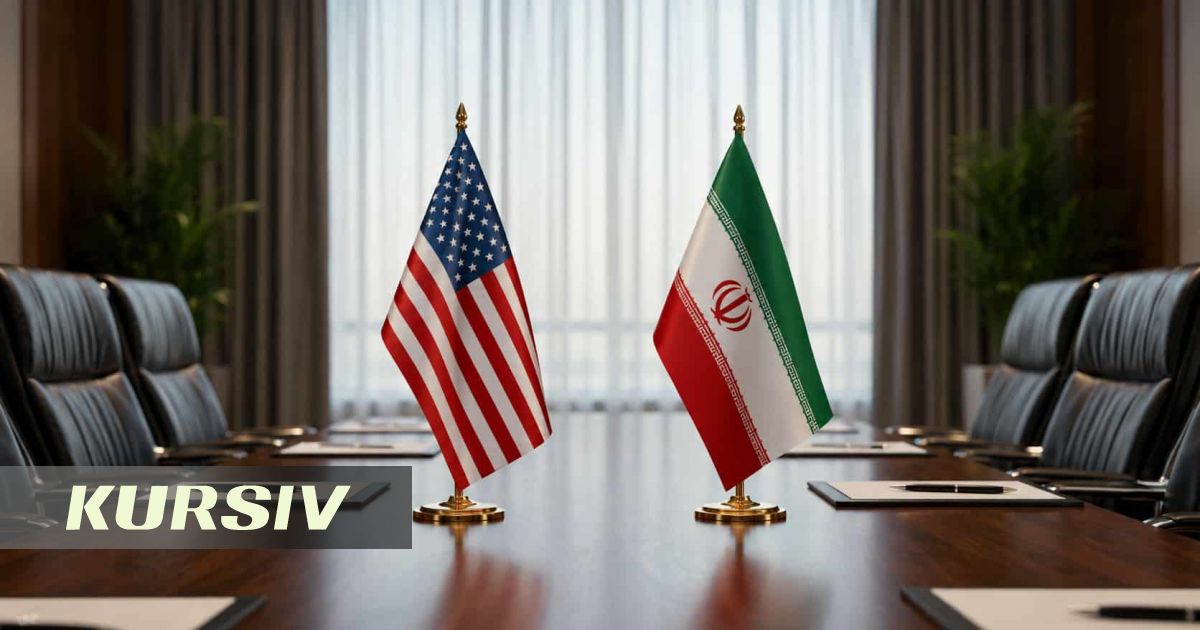
The United States and Iran are close to signing an agreement that could be the first step toward resolving months of confrontation between the two countries. The draft memorandum covers Tehran's nuclear program, sanctions, asset unfreezing, and shipping through the Strait of Hormuz. This was reported by Qazaqyia.kz citing Kursiv Media.
According to the draft document, Iran commits not to produce or acquire nuclear weapons. Until the final agreement is signed, Tehran will maintain the current status of its nuclear program.
Within 60 days after the memorandum is signed, the parties plan to agree on parameters for further uranium enrichment and the handling of highly enriched fuel stocks.
The US commits not to impose new sanctions against Iran until final agreements are reached.
After a full agreement is signed, a phased lifting of existing US and international restrictions is envisioned. Temporary removal of oil sanctions is also being considered, which would allow Iran to increase oil exports.
The draft provides for the unfreezing of Iranian assets worth about $25 billion.
Funds may be returned through direct money transfers, credit lines, and regional cooperation mechanisms. At the same time, the US and its allies intend to prepare a program for Iran's recovery and development.
After the memorandum is signed, Iran must open the Strait of Hormuz to all commercial vessels.
In turn, the US will begin a phased lifting of naval restrictions on Iranian ports. According to Reuters, this process could take up to 30 days.
US President Donald Trump said the agreement could be signed as early as Sunday.
"Signing could take place on Sunday," Trump said.
Pakistan's Prime Minister Shehbaz Sharif also reported preparations for an electronic signing of the document.
In Tehran, they urge not to rush to conclusions. Iranian Foreign Ministry spokesman Esmail Baghai said the agreement "will not happen tomorrow" and its signing may take place only in the coming days.
According to the Fars news agency, Iranian authorities have not yet made a final decision on the draft framework agreement and continue to study its political, legal, and technical aspects.