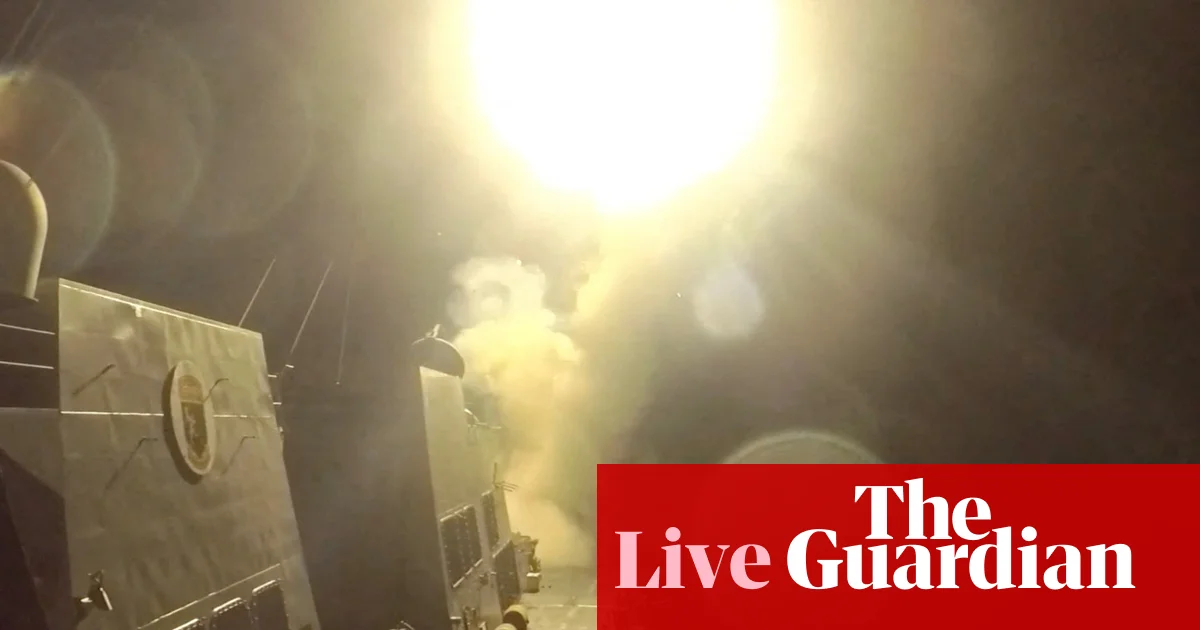
Kuwait has closed its airspace after Iran announced new attacks on the Gulf country, with officials saying some flights were being diverted to alternative airports. This was reported by Qazaqyia.kz citing The Guardian.
Flights had been circling outside Kuwait for some time before the announcement, after it said its air defences were firing at aerial targets. Kuwait International Airport took a direct hit from an Iranian strike last week, with one person killed and dozens more wounded.
Bahrain separately sounded its missile alert sirens on Thursday, after Iran said it was attacking the US navy's fifth fleet which is headquartered in the country. And the US embassy in Jordan issued an alert, saying "reports indicate missiles, drones, or rockets are in Jordanian airspace."
These events occur amid escalating conflict between the US and Iran. US President Donald Trump had previously warned Tehran would "pay the price" for stalled peace talks. After Trump's warning, both sides exchanged strikes.
Kuwait's airspace closure indicates rising regional tensions. The casualties from the direct hit on the airport underscore the severity of the situation. Sirens in Bahrain and alerts in Jordan raise the risk of the conflict spreading to a wider area.
The US fifth fleet is based in Bahrain, and Iran's intention to attack this fleet could lead to an intensified military conflict in the region. The US embassy alert in Jordan also indicates expanding regional instability.
The international community is closely monitoring the situation. The UN and other international organizations are calling on the parties to engage in dialogue and cease fire. However, recent events suggest that tensions may further escalate due to stalled peace talks.
Events in Kuwait, Bahrain, and Jordan indicate that the US-Iran conflict is escalating to a regional level. This could also affect other Gulf countries. International experts warn that further expansion of the conflict could impact the global economy, especially oil prices.
The US-Iran conflict began several weeks ago. The Trump administration intensified sanctions against Tehran over stalled nuclear program talks and signaled readiness to use military force. Iran, in turn, stepped up attacks on US facilities in the region and intensified military actions.
Currently, the situation in the region is highly unstable. Kuwait's airspace closure, sirens in Bahrain, and alerts in Jordan indicate the conflict is widening. The international community calls for ceasefire and dialogue, but no concrete results have been achieved yet.
Amid these events, other regional countries are also enhancing precautionary measures. Saudi Arabia, UAE, and Qatar are strengthening air defenses and increasing military readiness. This situation underscores the importance of international diplomacy to prevent a major conflict in the Gulf.
In conclusion, the US-Iran conflict poses a serious threat to regional stability. Recent events in Kuwait, Bahrain, and Jordan indicate the conflict is expanding. The international community must take urgent action, otherwise the situation may further deteriorate.