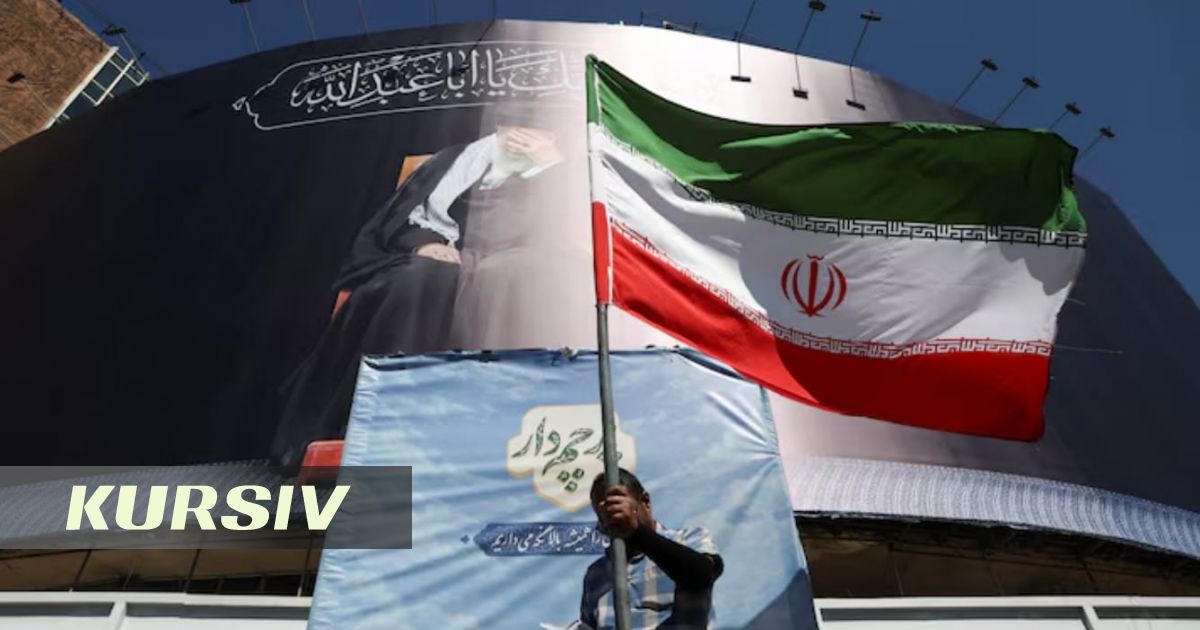
The United States and Iran have signed a preliminary agreement to end the war. US President Donald Trump announced this, noting that the official signing ceremony of the memorandum will take place on Friday in Geneva with the participation of Vice President JD Vance, Reuters reports. This was reported by Qazaqyia.kz citing Kursiv Media.
According to Trump, the agreement provides for a cessation of hostilities for 60 days, resumption of navigation through the Strait of Hormuz, and the start of negotiations on key issues, including Iran's nuclear program and sanctions. Against this backdrop, global oil prices fell to their lowest level since March 10.
Under the preliminary arrangements, immediately after the signing of the memorandum, the Strait of Hormuz will be opened to commercial vessels, and the US will begin lifting the blockade of Iranian ports. Iran's Fars agency claims that traffic through the strait will be regulated by Tehran jointly with Oman.
Over the next 60 days, the parties intend to agree on the final terms of the deal. The negotiations will focus on the future of Iran's nuclear program, sanctions, and regional security issues.
According to US and Iranian officials, Tehran has confirmed its readiness not to develop or acquire nuclear weapons. Until the final agreement is signed, Iran also intends to freeze further uranium enrichment and not expand its nuclear infrastructure.
The Iranian side claims that Washington has agreed not to impose new sanctions during the negotiations and is discussing a phased lifting of oil restrictions, unfreezing part of frozen assets, and preparing a program to restore the country's economy. In turn, Trump stated that there will be no direct cash payments to Iran, but the possibility of lifting sanctions is being considered.
Despite the agreements reached, the deal has already drawn mixed reactions. According to US media, within the Republican Party, some politicians consider the concessions to Tehran too significant. Israeli authorities have also expressed dissatisfaction.
As sources familiar with the position of the Israeli leadership reported, in private conversations the preliminary agreement is called "terrible for Israel" because it does not provide for the dismantling of Iran's missile program and does not guarantee a complete cessation of Tehran's support for allied armed groups.
At the same time, Washington hopes that during the ceasefire regime, it will be possible to agree on a final document that will take into account the demands of the US and Israel regarding Iran's nuclear program and regional security issues.