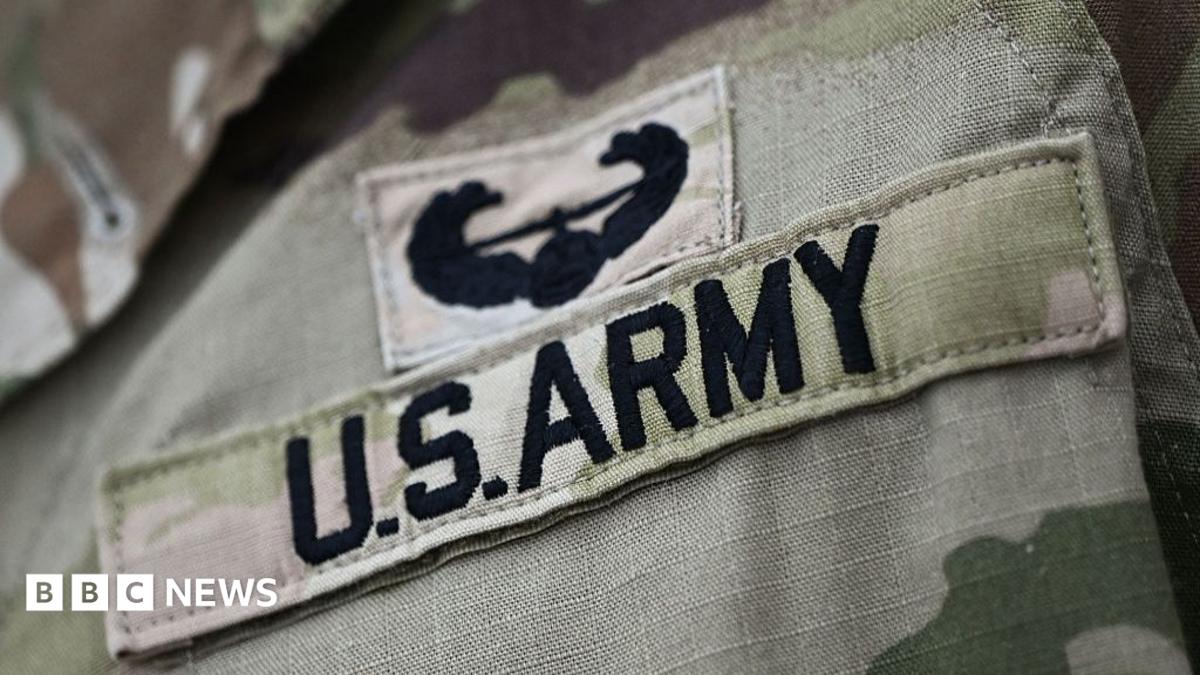
The United States has withdrawn most of the troops it deployed in Nigeria earlier this year in an effort to help fight Islamist militant groups. This was reported by Qazaqyia.kz citing BBC News.
In December, US and Nigerian forces launched a joint operation in the Lake Chad Basin area, which involved strikes against militants on Christmas Day, followed by the deployment of about 200 soldiers two months later.
Senior Islamic State (IS) leader Abu-Bilal al-Minuki was killed during the months-long mission.
On Thursday, the US said the operation had been a success, while Nigeria's military spokesperson told the BBC the withdrawal of US soldiers would "not affect our momentum in any way".
Despite the operations, jihadist groups continue to stage attacks, especially in north-eastern Nigeria.
Maj-Gen Michael Onoja said intelligence-sharing between the two countries would continue, which the US military also said in its briefing.
Military cooperation between Nigeria and the US increased after Washington accused Nigerian authorities of not doing enough to protect vulnerable groups against Islamist militants, and alleged there was a "Christian genocide" in the country.
Nigeria has firmly rejected this claim, saying the violence is complex and affects people from all communities.
Organisations monitoring political violence in Nigeria say most victims of the jihadist groups are Muslims because they mostly operate in the north of the country, where most people follow Islam.
Earlier this year, the US said it would deploy about 200 troops to support Nigeria's counter-insurgency efforts, while stressing that its forces would not take part in ground combat.
Announcing that most of these troops had now left, General Dagvin Anderson, Commander of US Air Forces in Africa, said on Thursday that the operation had been successful and that IS' leadership in Nigeria had been "significantly degraded".
IS has radically shifted in recent years, with around 90% of its attacks now taking place in sub-Saharan Africa, analysts say. Its Nigeria-based branch is by far the most active.
Anderson said that the group's local command structure and its wider global network had both been disrupted by the joint operation, limiting its ability to communicate.
Despite the withdrawal, US military personnel stationed in Nigeria before the Lake Chad Basin operation have remained in the country, military spokesperson Major General Samaila Uba told the BBC.
Nigeria faces multiple security challenges. Along with Islamist militants, banditry and criminal violence plague the country, having spread from the north into parts of central and southern Nigeria.