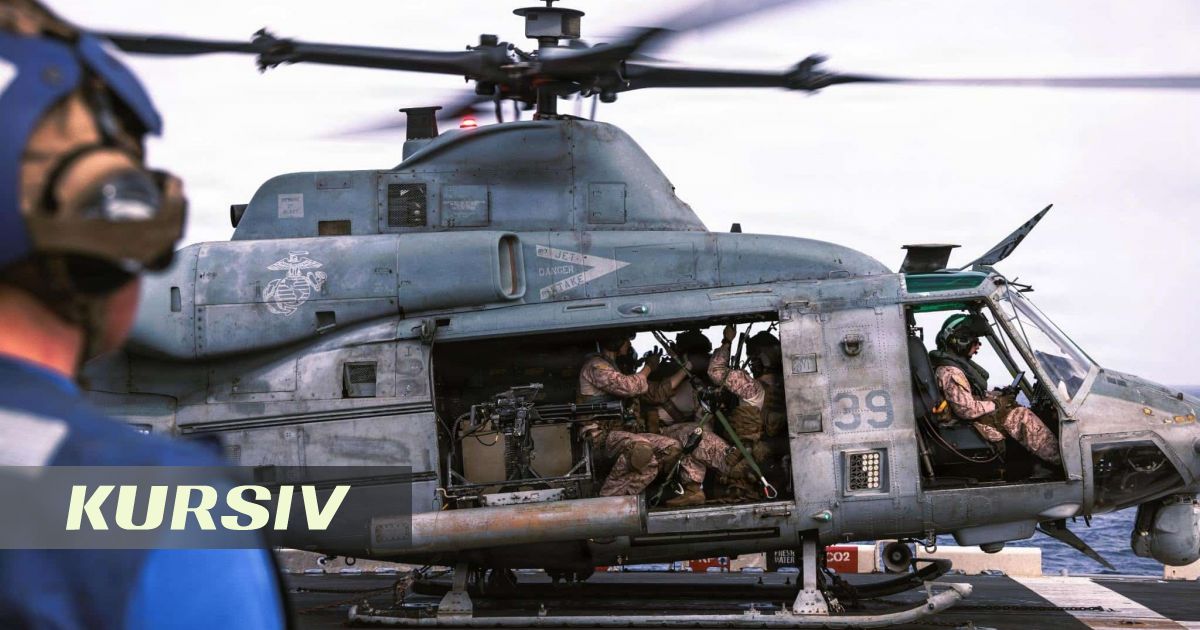
The US Central Command (Centcom) announced the start of strikes on Iranian territory in response to the destruction of an American Apache helicopter over the Strait of Hormuz. This was reported by Qazaqyia.kz citing Kursiv Media.
"This mission is a proportionate response to unjustified Iranian aggression," a Centcom statement said.
Axios reported, citing a US official, that US forces struck several Iranian defensive and radar systems.
According to Iranian media, explosions occurred in the areas of Kohestak, Sirik, and Minab.
Earlier, Kursiv reported that Donald Trump said Washington would not leave the incident unanswered.
After that, Iran put its army on full combat alert. Foreign Minister Araghchi said troops are ready for any border violation and advised foreign forces to "leave as soon as possible."
Details of the Strikes
Centcom's statement did not specify the exact targets or types of weapons used. However, an Axios source said the strikes targeted Iranian air defense systems and early warning radars.
According to Iranian news agencies, the strikes focused on military facilities in the southeast of the country. Explosions were heard in several districts of Hormozgan province.
International Reaction
The UN Security Council is expected to hold an emergency meeting. The European Union called on both sides to de-escalate. Russia and China condemned the military action and called for a diplomatic solution.
Previous Events
The destruction of the Apache helicopter over the Strait of Hormuz is the latest episode in the escalating US-Iran tensions. Previously, the Trump administration imposed several rounds of sanctions on Iran. Iran, in turn, continues to develop its nuclear program.
Military Readiness
The Iranian army has been put on full combat alert. Foreign Minister Araghchi stated that Iran is ready to defend its borders. He also advised foreign military forces in the region to "leave as soon as possible."
Economic Consequences
Oil prices surged after the strikes. Brent crude exceeded $85 per barrel. The Strait of Hormuz is a vital transit corridor, handling about 20% of global oil supplies.
Financial markets also panicked. Asian stock exchanges fell, and investors shifted to safe-haven assets like gold and US Treasuries.
Future Developments
According to experts, the further development of the situation depends on the actions of both sides. If Iran retaliates, the conflict could escalate into a regional war. The US is likely to impose additional sanctions and diplomatic pressure.
The UN and EU continue mediation efforts. Negotiations to resolve the situation may take place in the coming days.