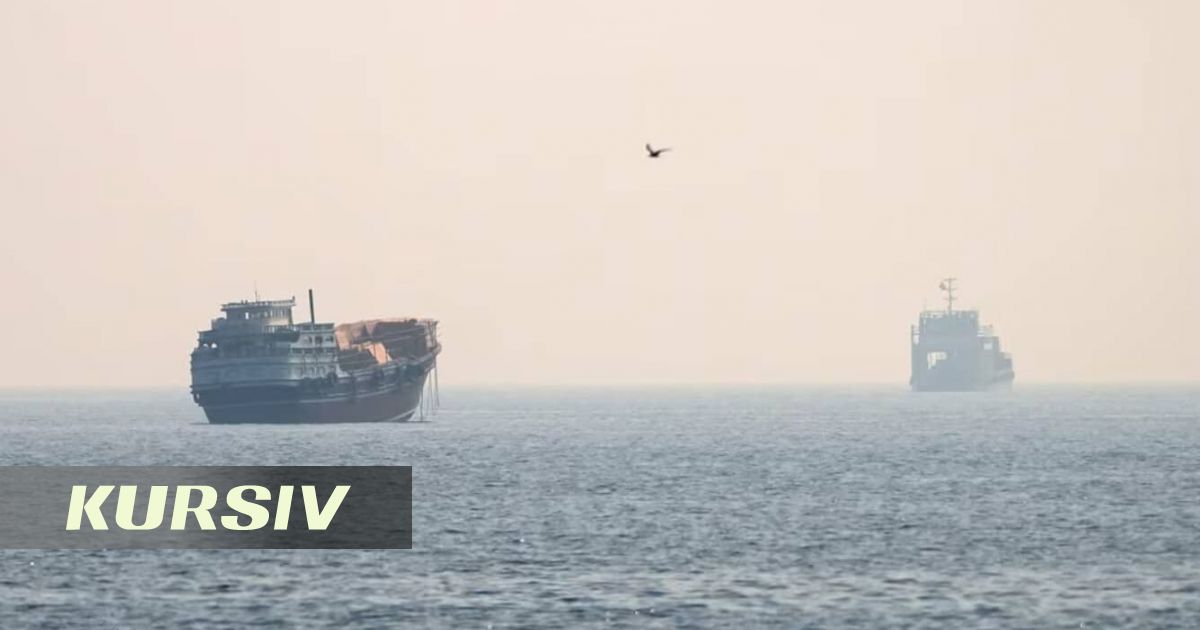
After US President Donald Trump announced the termination of the temporary ceasefire agreement with Iran, American forces launched a new series of strikes on Iranian territory. According to the US Central Command (CENTCOM), the operation is aimed at ensuring the safety of navigation in the Strait of Hormuz following attacks on commercial vessels. This was reported by Qazaqyia.kz citing Kursiv Media.
CENTCOM stated that the strikes are intended to "degrade Iran's ability to threaten freedom of navigation" through one of the world's most important maritime routes. Washington blamed Tehran for recent attacks on civilian cargo ships, although Iranian authorities have not officially acknowledged involvement.
According to Reuters, the scale of the new operation was significantly larger than the previous one. As a result of the strikes, explosions occurred in several cities in southern Iran, and power outages were reported in some areas.
Donald Trump himself said the decision to resume strikes was a response to the previous day's attacks on ships in the Strait of Hormuz. "This is payback for Iran's bombing of ships yesterday. If it happens again, it will be much worse!" Trump wrote on Truth Social.
Speaking at the NATO summit, Trump confirmed that he considers the temporary agreement with Iran terminated. He said he is not confident about reaching a full peace agreement because he does not trust the Iranian side. At the same time, the US leader emphasized that he does not expect a return to full-scale war and hopes the current escalation will be short-lived.
Experts note that control over the Strait of Hormuz remains one of Tehran's main leverage points. Before the conflict, about 20% of global oil supplies passed through this route.
Amid the resumption of hostilities, the oil market responded with rising prices. Following reports of new strikes, Brent crude oil rose by more than a dollar to around $79 per barrel.
Analysts believe the current exchange of strikes has put the Trump administration in a difficult position. On one hand, further escalation could lead to a new full-scale war; on the other, refusing a tough response risks strengthening Iran's position in the region and complicating prospects for future negotiations on its nuclear program.