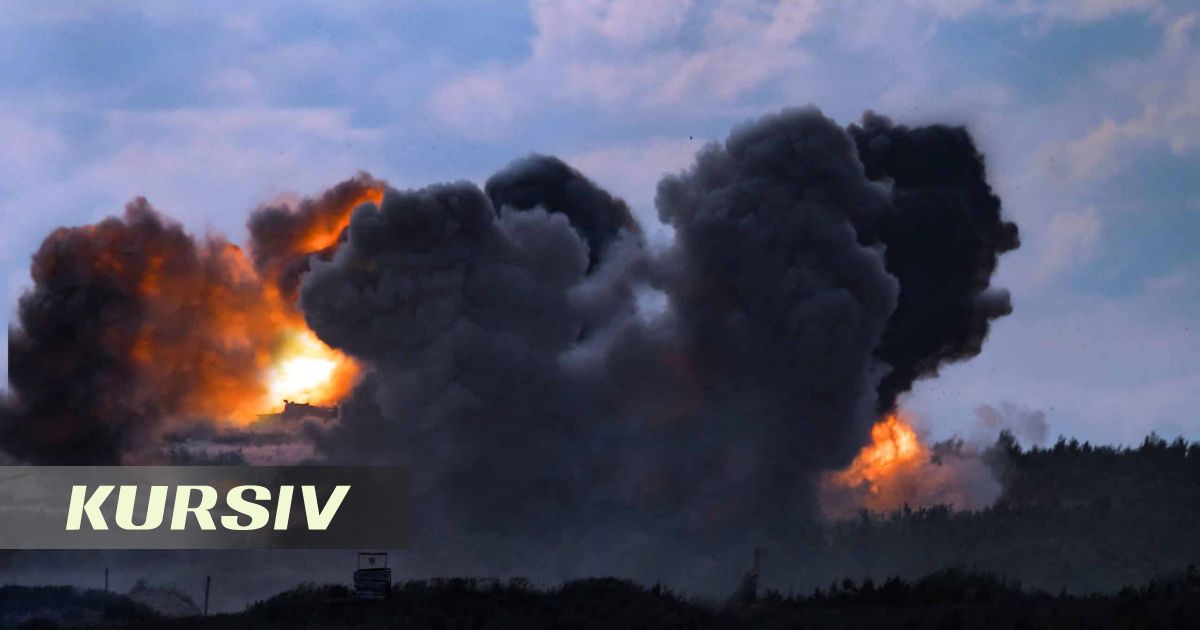
The United States and Iran continue to exchange strikes, escalating tensions in the Middle East. US military announced a new series of strikes on targets in southern Iran, while Tehran declared attacks on American military facilities and infrastructure in several countries in the region. This was reported by Qazaqyia.kz citing Kursiv Media.
According to the US Central Command (CENTCOM), American forces struck military targets in the Bandar Abbas area and other strategic points in the south of the country. The targets included infrastructure linked to missile systems, drones, air defense, and coastal defense, which Washington claims Iran uses to attack shipping in the Strait of Hormuz.
In response, Iran claimed missile and drone strikes on American facilities in Kuwait, Qatar, and Bahrain, as well as a radar station in Oman. Additionally, Iranian media reported strikes on a former US base in Syria. These claims are partially confirmed by international news agencies, but the US has not yet disclosed the extent of possible damage.
According to Reuters, a fire broke out at a power plant and water desalination facility in Kuwait after the strike, causing power outages. In Qatar, authorities reported that air defense systems intercepted an Iranian missile, but a child was injured by falling debris.
Escalation continues in the Strait of Hormuz area — one of the world's most important routes for oil and gas exports. Reuters reports that Iran attacked a vessel flying the Thai flag near the strait. Additionally, armed individuals seized another vessel off the coast of Yemen, but their affiliation has not been officially determined.
There is no confirmation yet that Iran struck a US naval vessel. Earlier, Tehran claimed an attack on a US ship in the northern Indian Ocean, but the US did not confirm this information.
Amid the new strikes, the situation in the Strait of Hormuz remains tense. According to Reuters, commercial vessel traffic through this route has significantly decreased, and concerns about potential oil supply disruptions have once again pushed global crude prices upward.