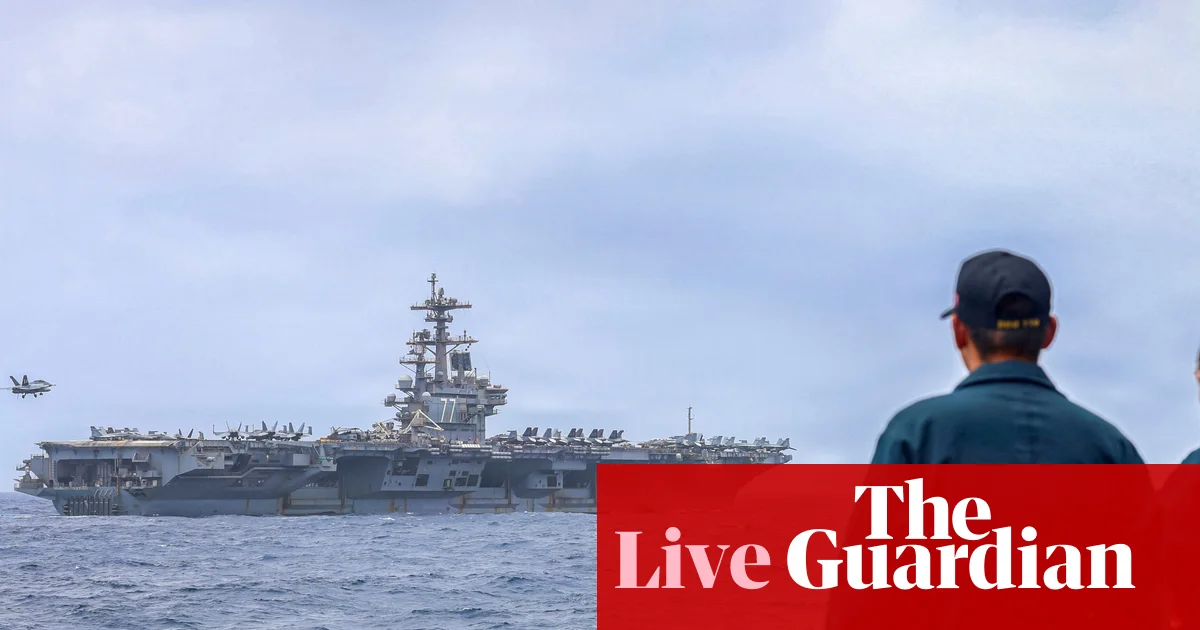
US Central Command (CENTCOM) said American aircraft fired missiles into an oil tanker's smokestack in the Strait of Hormuz, disabling the vessel. This was reported by Qazaqyia.kz citing The Guardian.
According to CENTCOM, US forces enforced naval blockade measures against Iran on July 15 by disabling an unladen oil tanker attempting to sail toward an Iranian port in the Arabian Gulf.
US forces observed the Curacao-flagged M/T Belma transiting international waters toward Kharg Island. The commercial vessel ignored multiple warnings as it attempted to violate the US blockade. A US aircraft disabled the vessel after firing Hellfire missiles into the ship's smokestack. The ship is no longer transiting to Iran.
This incident comes amid a new wave of US strikes on Iran. The US military is tightening the naval blockade to limit Iran's oil exports. The Strait of Hormuz is a strategically vital region through which about 20% of global oil supplies pass.
The US administration is increasing sanctions and military pressure on Iran over its nuclear program and regional activities. This situation could further escalate tensions in the Middle East. The international community has expressed concern over the unilateral US actions.
Iran has not yet officially responded, but has previously stated it would give a strong response to any US military action. Tehran considers the blockade a violation of international law and has warned it will take all measures to protect its interests.
US forces are increasing the number of military vessels and aircraft in the region, attempting to completely halt Iranian oil exports. This could lead to a rise in global oil prices. Economists predict oil prices could exceed $100 per barrel.
The blockade and military actions in the Strait of Hormuz threaten international shipping. Many nations are deploying their military forces to ensure the safety of their vessels. The UN Security Council may hold an emergency session to discuss the situation.
The US president had previously called for a diplomatic solution to Iran's nuclear program, but recent actions indicate a choice of military path. Iran's president called the US actions "aggression" and said he would appeal to the International Court of Justice.
This incident could further destabilize the Middle East and lead to an escalation of tensions in the region. The international community is calling on the parties to engage in dialogue.