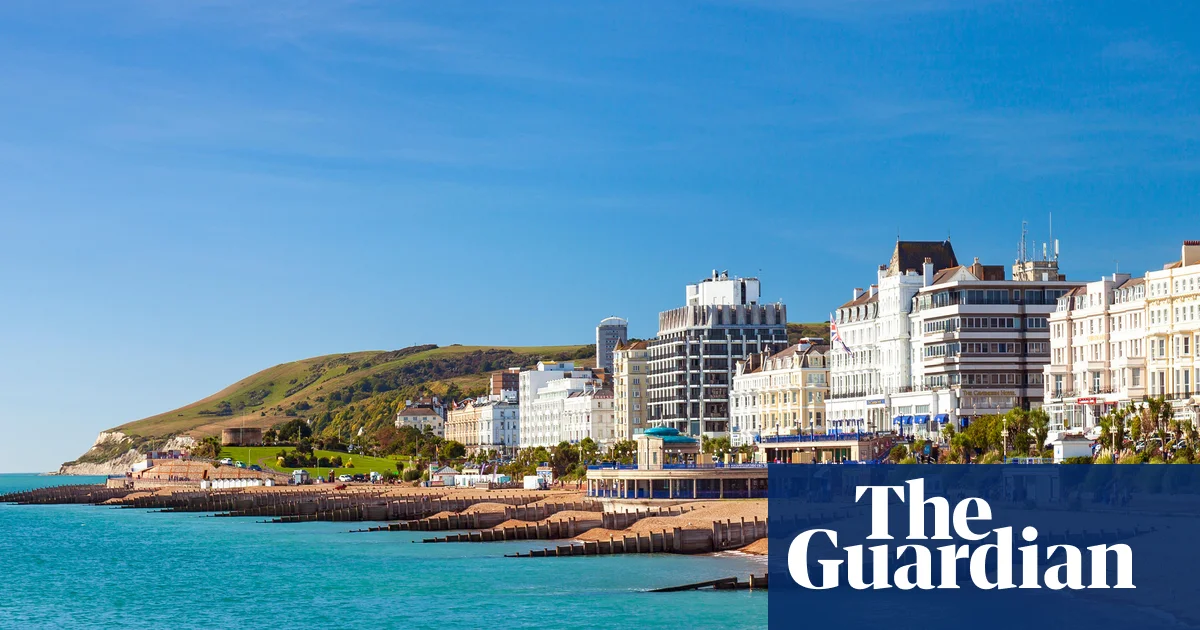
Ministers are facing a backlash from the hospitality industry after they announced mayors in England would be given sweeping powers to levy taxes on holiday accommodation such as hotels and Airbnbs. This was reported by Qazaqyia.kz citing The Guardian.
The plan, unveiled on Thursday by Angela Rayner, the local government secretary, will allow mayors to impose a “tourist tax” without a cap on how much they can charge and with few controls on how they can spend it.
The move, which gives mayors some of their most significant tax-raising powers, was welcomed by regional leaders, who said it would give them a vital revenue stream at a time when local government is facing a funding crisis. Mayors will be expected to lay out their detailed plans for how they plan to use the new powers in early 2028.
But it was met with outrage from hospitality businesses, who had expected the government to put stricter conditions on how much mayors could charge and how the money would be used.
UKHospitality, the industry’s trade body, said a 5% overnight levy across England could result in 33,000 job losses and a £2bn hit to the economy, with regions more reliant on tourism, such as the Lake District, being worst affected.
The owner of Premier Inn, Britain’s biggest hotel chain, said it would be “hugely damaging” and urged ministers to “avoid inflicting what could be irreparable harm on this large and vital sector of the economy”.
Eddie Nelder, the co-owner of the five-strong Choice Hotels chain in Blackpool, said: “We’re here trying to stay alive, waiting for a lifeline from the government and we get another hammer blow. It feels like we’re being strangled.”
However, Rayner insisted the tax-raising powers would help fund local communities.
“This measure will give mayors the choice to raise and reinvest funding where it’s needed most,” she said in a statement before a meeting with the country’s mayors at No 10 North in Manchester.
“It’ll help support the local services, public spaces and attractions that both residents and visitors rely on, with decisions taken by people who know their area best.”
In the immediate term, the rate will be set at no more than 5% in almost every major English city after every Labour metro mayor agreed to cap their charges at that level.
In a joint letter to Rayner, they wrote: “Foreign cities visited by British tourists from New York to Paris, as well as hundreds of smaller cities across the world, have long benefited from such levies while continuing to grow their tourism sectors. Granting the power to regions to introduce levies will help level the playing field by ensuring further investment in our cities, contributing to further growth.”
But large parts of the east coast will not have to pay the tax after their mayors – two Reform UK and one Conservative – said they would refuse to impose them.
The move follows a consultation launched by Keir Starmer’s government, and will bring England into line with many European nations and the US, where holidaymakers have for years been paying overnight visitor levies.
Similar levies also apply in Wales and Scotland, though they will be capped in Wales.
Edinburgh became the first city in Scotland to introduce a tourist tax, setting it at 5% in July. In Wales, councils will have the power to charge £1.30 per person a night in tax for most accommodation from April 2027.
Under the proposal, which is expected to be introduced as a bill in parliament within months, mayors will be allowed to charge a levy as a percentage of the price of an overnight stay, rather than as a flat fee.
Ministers at Westminster will cap the number of nights to which it can be applied in order to avoid hitting long-term rental properties. It is understood the cap is likely to be higher than the 5% that is applied by Holyrood.
Any commercially rented property will face the tax, though there will be an exemption for those that are only rented occasionally on a casual basis.
Mayors will be allowed to decide whether or not to exempt other sites such as festival campsites. They will also be allowed to share revenues with local councils.
The move is one of the biggest handovers of power from the Treasury to local leaders in years, and comes before the first budget of Andy Burnham’s government, at which ministers have promised to hand over more tax powers to local leaders.
It comes at a time when many local authorities are struggling for funds. Last year the government gave emergency funding worth £1.3bn to a record 28 councils, without which several said they would have gone bankrupt.
But it also comes after a concerted effort by the government to ease the pressure on the hospitality industry, with many businesses struggling with high inflation and increased national insurance and minimum wage bills.
Earlier this summer, the former chancellor slashed VAT on British summer holiday destinations, in a programme she called the “Great British Summer Savings Scheme”.
Meanwhile, in one of his first acts as prime minister, Burnham announced he would cut business rates for pubs, clubs and live music venues.
Many hospitality businesses are struggling with high inflation, as well as additional national insurance and minimum wage costs imposed by Reeves.