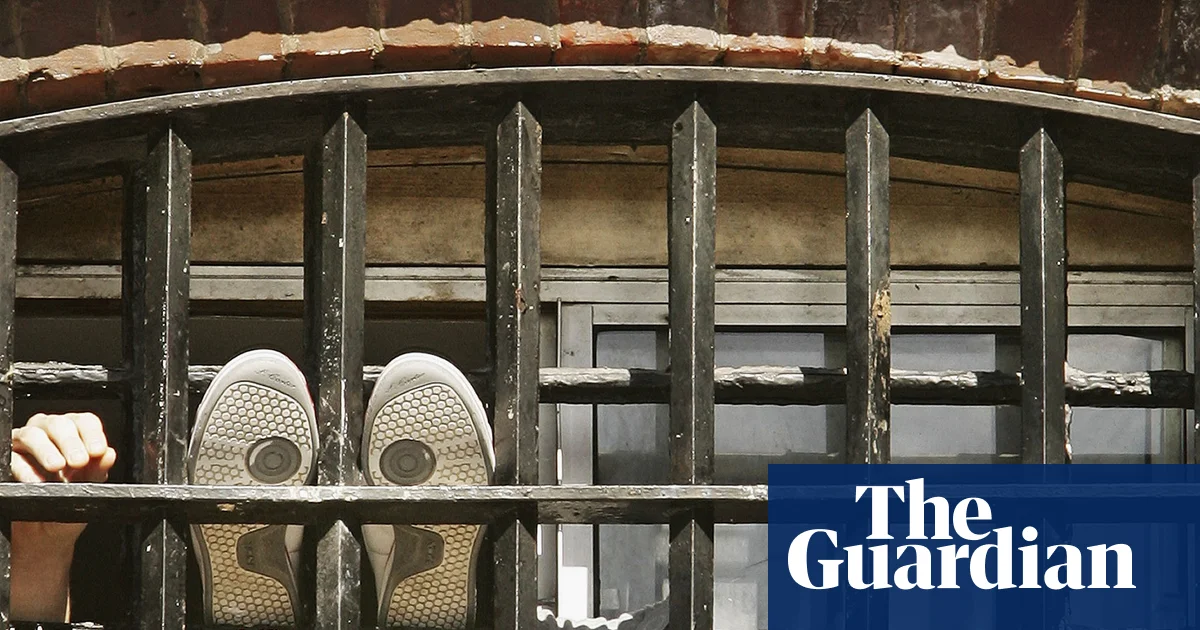
Inmates in England and Wales live among vermin while gangs control entire wings, monitors warn, with failures 'at risk of becoming normalised'. This was reported by Qazaqyia.kz citing The Guardian.
The independent monitoring board's annual report of conditions across the prison estate of England and Wales is stark and unflinching. Men and women are held for long periods in overcrowded and unsanitary conditions, often living alongside vermin. Inmates are not fed properly and have trouble accessing medical assistance. Many have no opportunity to learn a skill or participate in education.
Gangs appear to control entire wings, and roam around cells collecting drug debts with threats of violence. Toilets remain broken for weeks. Men, women and children spend most of their days locked up with no activities. And if they leave their cell, there is a risk they will be attacked, often with weapons. 'Failures once regarded as serious are at risk of becoming normalised,' the report concludes.
Cases highlighted by the report include a man in HMP Garth, Lancashire, who died in a cell fire after the alarm apparently failed to sound; a man who was warned that he may lose his leg when he was among several bitten during an infestation of spiders at HMP Bullingdon, Oxfordshire; and a spike in self-harm during hot weather after managers at HMP Foston Hall in Derbyshire did not have the funds to buy fans.
No wonder there has been a steady increase in the number of people succumbing to a drug addiction once they are incarcerated. It appears to be the one way of escaping the monotony and the fear.
The crisis preceded Keir Starmer's government and had to be responded to when he entered office in the summer of 2024. On day one, his then justice secretary Shabana Mahmood introduced early release schemes and diverted prisoners to police cells. Explaining why she was taking such extreme steps, Mahmood said that the entire criminal justice system was close to collapse – and without prison places, criminals might act with impunity. 'There is now only one way to avert disaster,' she warned.
Disaster was temporarily averted, but the threat of the prison population exceeding the maximum of 89,800 continues to haunt the Ministry of Justice. More reforms have followed – thousands of jury trials are being ditched, magistrates will try more serious cases, and the automatic right of appeal against conviction or sentence for many accused people is to be dropped.
But while the collapse of the system appears to have been avoided, prisoners continue to live in bleak conditions under Starmer's government. 'Boards often observed spikes in debt-related violence and anxiety-driven self‑harm, as drug dealers sought to collect their debts, destabilising regimes further,' the report said.
Guards, often inexperienced, seem unable to cope and appear to collude with prisoners on occasion. The report says that inmates at HMP Manchester, formerly Strangeways, were reportedly 'informed in advance of a cell search, contributing to instability'.
Two years ago, campaigners for penal reform hailed the recruitment of Lord James Timpson as prisons minister to Starmer's ministerial team. A longstanding advocate for ex-offenders, he said he hoped to 'not only hold individuals accountable, but also provide them with the tools they need to rebuild their lives'.
Independent monitors, who are statutory witnesses, say their concerns result in little action from central government. 'Despite repeated warnings in previous IMB reports at both national and local levels, the same problems persist with striking frequency. This recurring pattern raises unavoidable questions about effectiveness, accountability and the system's capacity to correct its course,' the report says.