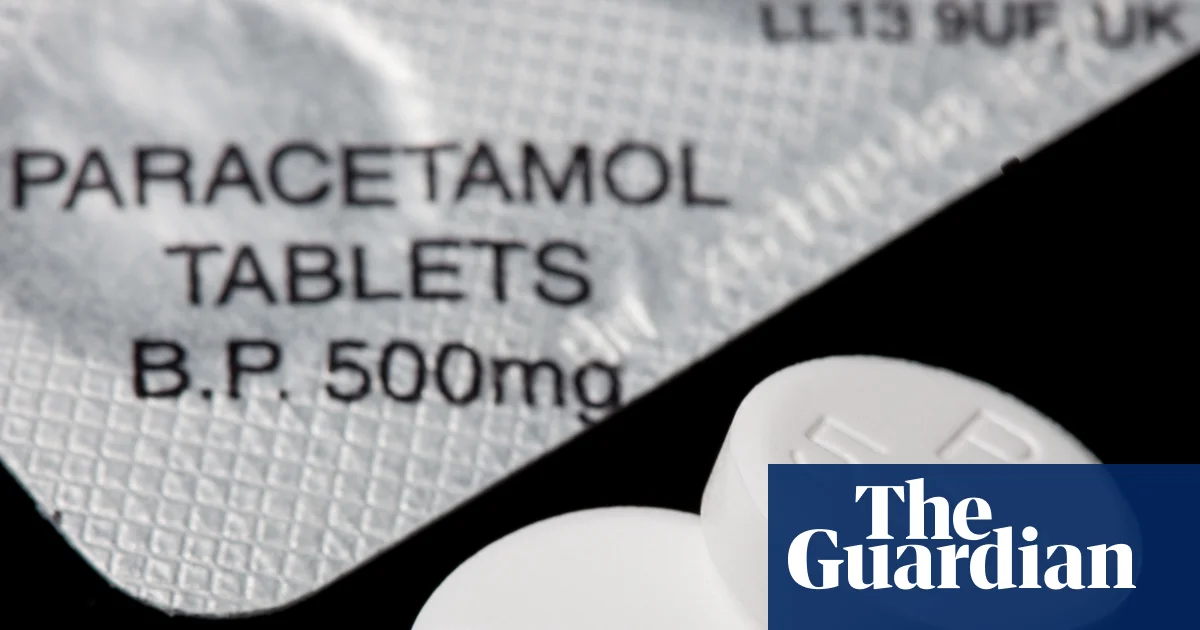
Hospitals in England are being hit by shortages of key drugs used to provide pain relief, prevent blood clots and tackle high blood pressure. This was reported by Qazaqyia.kz citing The Guardian.
Dozens of NHS trusts in England have encountered scarcities of aspirin, the painkiller co-codamol – a combination of paracetamol and codeine – and ramipril, a blood pressure tablet.
Nine trusts have had problems getting enough supplies of two of those three common medications, while one – Kent community health NHS trust – ran short of all three.
The shortages underline how precarious the health service's supply chains for basic medicines have become in recent years as a result of trade disputes, global conflict and manufacturing problems.
Pharmacists have said supply problems have become a "national crisis" and in some cases have left patients unable to access their usual medications for weeks at a time.
Hospitals' drug supply problems have emerged in freedom of information requests by Dr Rodolfo Catena, an expert in global health supplies at University College London, about stock levels of the three drugs. Sixty of the 184 trusts from which he sought figures responded.
The most widespread shortage involved aspirin, which is used to reduce pain and the risk of blood clots. Twenty-six (62%) of the 42 trusts that responded about it had experienced disruption to their supplies between last December and March this year.
Thirteen (31%) of the 42 trusts that replied on co-codamol had run short of that drug, which helps relieve muscle pain, period pain and toothache. York and Scarborough NHS trust's supplies had been disrupted since May 2025, and Royal Wolverhampton NHS trust had trouble getting enough co-codamol for the 10 months between October 2025 and August this year.
Seven (16%) of the 43 trusts that answered Catena's question about ramipril had been unable to get as much of it as they needed. More than a third of adults in England are thought to have dangerously high blood pressure, which heightens the risk of a heart attack or stroke, but 59% are unaware they have it, research showed last week.
Frimley Health NHS trust, which cares for people in Surrey, Berkshire and Buckinghamshire, resorted to paying higher prices for ramipril to ensure uninterrupted supply of it, rather than risk supply problems that would affect patients, Catena found.
His findings tally with National Pharmacy Association analysis. It has found that although shortages in recent years have mainly been of specialist drugs, for example to treat ADHD and epilepsy, supply problems now often involve generic medicines, which are much cheaper to produce.
Catena, an associate professor in operations and supply chain management in UCL's Global Business School for Health, believes the shortages he found show that NHS England is wrong to classify drug scarcities in its operational risk register as only a "medium" risk to the provision of care.
NHS England has given drug shortages a score of 16 out of 25 on its risk assessment scale. But the widespread nature of shortages makes it unlikely that it will be able to fulfil its ambition to reduce that score to nine by next month, Catena added.
Improving supply chain resilience is also a key priority for the Department of Health and Social Care. Catena called on it to change the current system whereby only drug companies are obliged to warn it about any impending shortages. He said NHS trusts should be put under the same obligation so that service bosses were more aware of disruption to drug supplies and could act to minimise them.
Almost all (92%) of the trusts that responded said they had no contingency plan to tackle supply problems and 82% said they had not reported the scarcities they were facing to NHS England.
A spokesperson for the Society for Acute Medicine, which represents hospital doctors, said: "Medicine shortages can disrupt treatment and create additional pressure for clinical and pharmacy teams. The key is ensuring resilient supply chains, timely communication and access to suitable alternatives so patient care is not delayed."
A health department spokesperson said: "We regularly speak to NHS trusts and national clinical leads about medicine availability and are aware that ramipril is in limited supply, which is why we issued serious shortage protocols so patients in the UK can still get the medication they need. We are working closely with relevant suppliers to resolve this and issues with co-codamol and aspirin to ensure continuity of supply.
"The vast majority of the UK's licensed medicines are in good supply, and we have robust measures in place to mitigate disruption for patients. This government is investing in the UK medicine manufacturing industry to manage supply disruptions where they occur."