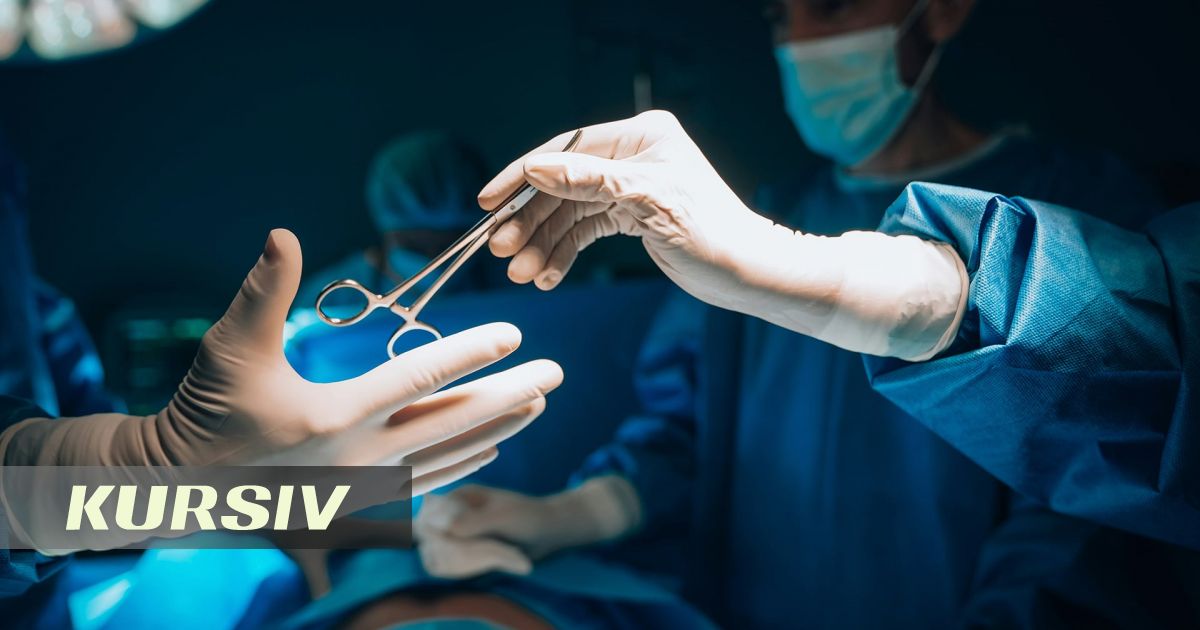
Doctors at the Research Institute of Cardiology and Internal Diseases in Almaty performed a complex surgery on a patient with severe aortic valve stenosis, who was literally suffocating with every movement. This was reported by Qazaqyia.kz citing Kursiv Media.
According to the Ministry of Health, the situation was complicated by the fact that the man's femoral arteries, which are typically used to replace the valve without cutting the sternum, were completely blocked.
"During further examination, we encountered a serious obstacle – multifocal atherosclerosis. The femoral arteries were almost completely closed, meaning standard access for surgery was impossible," the statement said.
As a result, the team of doctors decided during a consultation to perform endovascular prosthetics on the patient through an atypical access – the left subclavian artery.
This method is atypical because it carries serious risks. The vertebral artery, which supplies the brain, branches off from the subclavian artery. Any manipulation in this area risks dislodging microscopic plaques or clots, which could cause a stroke.
According to the Ministry, the surgery was successful. The patient now feels much better and is finally returning to a full life without shortness of breath.
Earlier, Kursiv reported that scientists observed patients for seven years after aortic valve replacement and concluded that minimally invasive transcatheter surgery (TAVR), performed through punctures, is as durable as traditional open-heart surgery. However, there is a significant nuance.
If the article causes you anxiety, discuss it with an artificial psychologist.