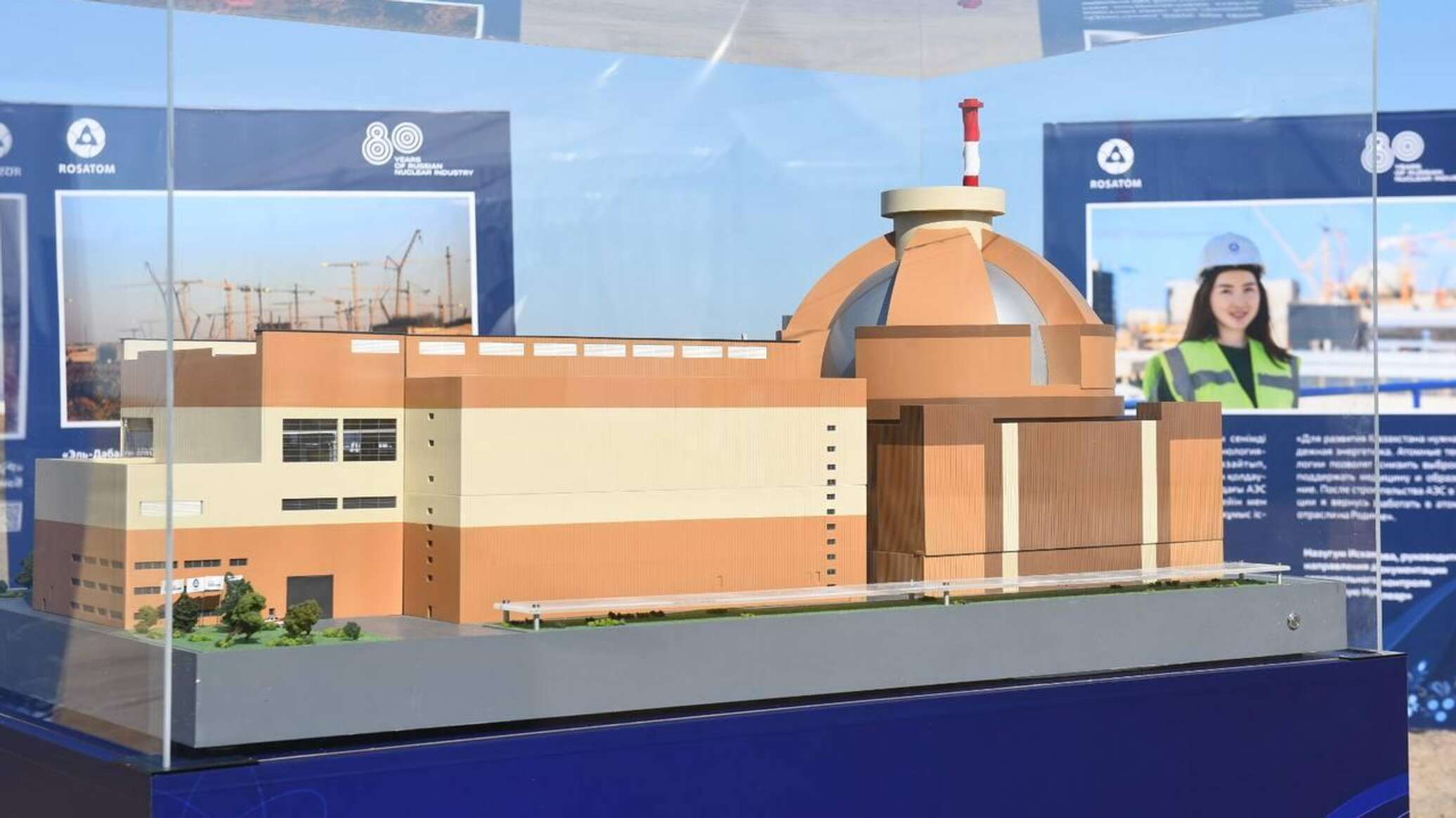
The implementation of the nuclear power plant construction project in Almaty region will provide about 5,000 jobs by 2030. In 2032, the number of people involved in construction and installation work will reach approximately 10,000. This was reported by Qazaqyia.kz citing Sputnik Kazakhstan.
In Kazakhstan, electricity consumption increases annually by an average of 3-4%. Particularly high growth is observed in the southern regions of the country, where a significant portion of consumed electricity is covered by flows from the Northern energy zone.
Under such conditions, the construction of a nuclear power plant is a strategic decision capable of ensuring long-term reliability of energy supply and meeting the growing needs of the economy and population. The project will have a significant impact on the socio-economic development of the regions.
During the construction and subsequent operation of the plant, thousands of new jobs will be created, and opportunities for professional training and training of qualified technical specialists will be expanded. "The development of nuclear energy will contribute to the modernization of the infrastructure of adjacent territories, including the construction and renovation of roads, electricity and water supply facilities, as well as social infrastructure — schools, kindergartens and medical institutions. An increase in the investment attractiveness of regions, the development of small and medium-sized businesses, as well as the emergence of new opportunities for young people are expected," the message says.
According to forecasts, the implementation of the NPP construction project in Almaty region will provide about 5,000 jobs by 2030. In 2032, at the peak of construction and installation work, the number of involved personnel will reach approximately 10,000 people. After the station is put into operation in 2035, about 2,000 permanent jobs will be created. Of these, about 600 specialists will have higher education, 550 will have specialized secondary education, and 850 will have specialized technical education.
A similar multiplier effect is expected during the implementation of subsequent nuclear power plant construction projects in Kazakhstan, which will allow the formation of a new high-tech industry and ensure long-term development of human capital.