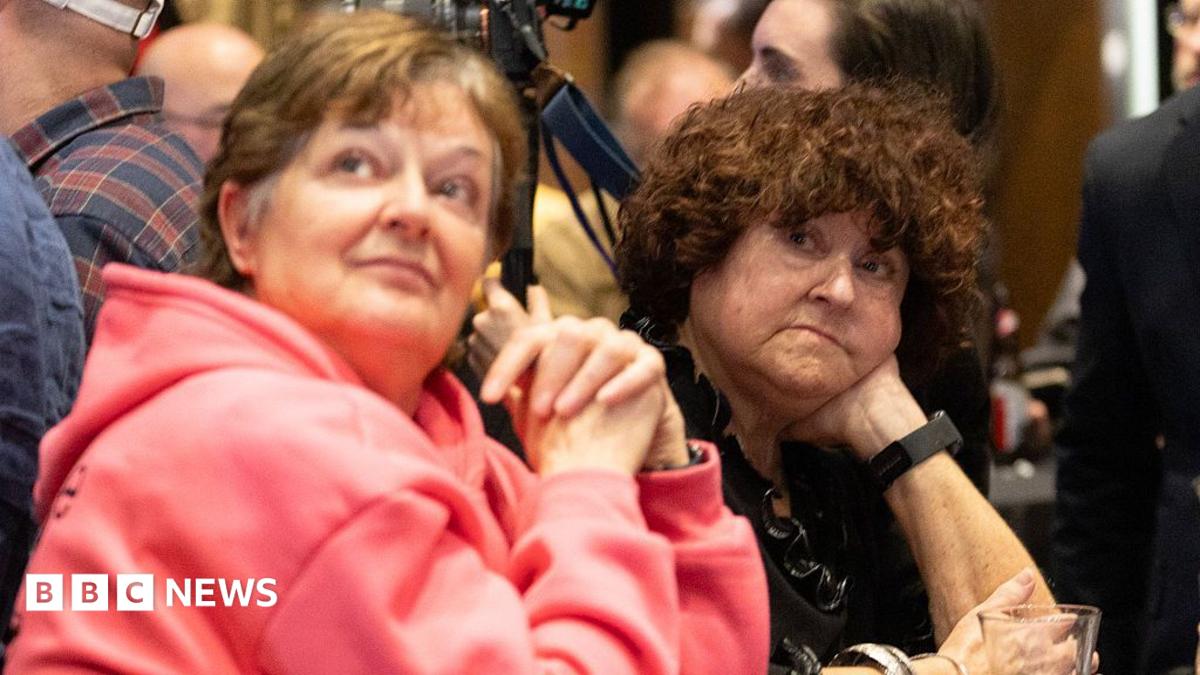
Alberta's separatist movement suffered a decisive defeat in a referendum, with preliminary results showing more than two-thirds of voters chose to remain in Canada. This was reported by Qazaqyia.kz citing BBC News.
The result was decisive in a vote that could have strained national unity. Once the final tally is counted, the rejection by a comfortable majority could halt Alberta's separatist sentiment in its tracks and push the idea back into the political fringes.
Asked by the BBC how he felt in one sentence after the results, separatist leader Mitch Sylvestre simply said: "Not happy."
Prime Minister Mark Carney celebrated the outcome almost immediately, saying in a statement that "Albertans made a clear choice."
But the movement's leaders say their battle is long from over. Jeffrey Rath, a Calgary lawyer and one of the main spokespeople for Alberta separation, said he and others "plan to roll up our sleeves and work harder." Another separatist, Keith Wilson, told supporters in Calgary that "the conversation about Alberta's future in Canada and our place in Canada and our role in Canada will continue."
Alberta Premier Smith, who openly supported and campaigned for the unity vote, thanked voters for the result. She has been criticised for taking a "dangerous" gamble by lowering the petition threshold needed to get the citizen-led campaign on the ballot. That gamble could test her leadership of the United Conservative Party, which she has led since 2022. "She's lost the confidence of the (party) base," said Rath.
Albertans who voted against an independence referendum told the BBC throughout the campaign that they were motivated by a desire to keep the country united, especially as Canada grapples with tariff threats from the US. They also feared that an independent Alberta could be vulnerable to outside influence.
Thomas Lukaszuk, a prominent pro-unity campaigner, told a crowd of supporters in Edmonton that "some of the issues they have raised are legitimate," and that the province must do the hard work of healing the divisions laid bare by this debate. "I don't want to see us doing another referendum like this ever again," Lukaszuk said.
Premier Smith told CBC earlier in the week that she would not hold an independence referendum if Albertans vote against it as long as she is premier. The separatist sentiment has its roots in "western alienation," a term used for decades by some in Canada's western provinces to describe a feeling of being ignored or overlooked by the federal government in central Canada.