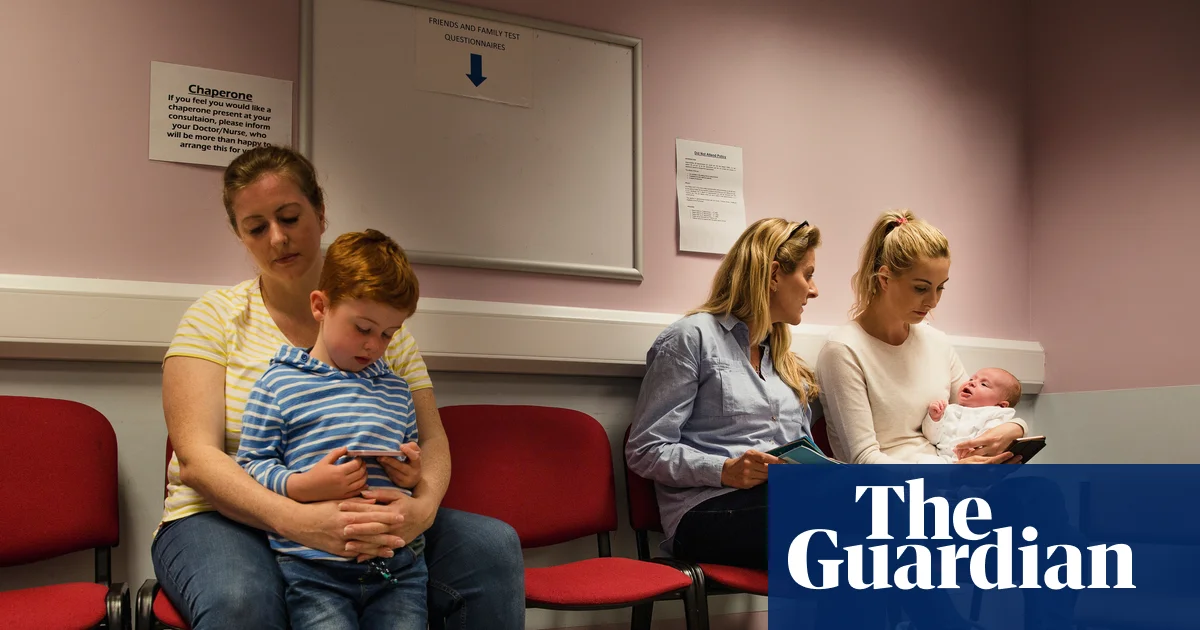
Thousands of children in England are experiencing some of the sharpest rises in waiting times for healthcare in the history of the NHS, a report has revealed. This was reported by Qazaqyia.kz citing The Guardian.
While some adult waiting times have improved, children and young people are being "hit hardest" amid soaring demand and falling numbers of staff, according to the annual state of care report by the Care Quality Commission.
In community health services alone, 80,000 children and young people have been waiting more than a year for an appointment – almost 11 times the number of adults, the report said. Experts said that was "wholly unacceptable". Children's health conditions were getting worse and becoming harder to treat as a result, they added.
More broadly across health and social care services in England there were signs of improvement, including more GP appointments, increased use of digital solutions and shorter waits for elective care. The report also highlighted examples of local innovation, including neighbourhood models and integrated care teams.
But improvements were struggling to keep pace with rapidly rising demand for health and social care. In many areas, including mental health services, patients' needs are also becoming more complex.
Persistent inequalities across the entire health and care system mean people's experience of care is fractured and heavily dependent on where they live and who they are, according to the report.
Across all areas of the country and every part of the health and social care system, there was "unwarranted variation" in access to services, quality of care and outcomes, the CQC said.
Some adults with cancer were waiting far too long to begin treatment after being diagnosed, while there remained "sustained pressure" in urgent and emergency care.
But the report highlighted how children in particular were bearing the brunt of long waiting times. And, despite growing demand, health visitor and school nurse numbers were "continuing to decline", the CQC said.
It also raised concerns about regional variations in rates of children being admitted to hospital for diabetes and asthma, and sounded the alarm over particularly high rates of rotten teeth among children in some areas.
Dr Ronny Cheung, of the Royal College of Paediatrics and Child Health, said community health services existed to support some of the country's most vulnerable children outside hospital, including those with complex conditions, developmental disorders and safeguarding needs.
"Yet these children face some of the longest waits in the NHS, while waiting times for adult community services have improved. It is wholly unacceptable that more than one in four children still wait over a year for treatment, and without urgent action, too many more will be left to suffer unnecessarily.
"As a paediatrician, I am sick of seeing children wait so long for support that they miss crucial opportunities to improve their health and development."
Behind the figures were children struggling at school, families pushed to breaking point and conditions becoming more complex while they wait, Cheung added.
The CQC chair, Julia Neuberger, said that while some health and social care services were "working well", improvements were not keeping pace with demand. "To repair a fracturing system, there must be a collective response," she added.
The Department of Health and Social Care said the report showed "the scale of the challenge this government inherited" when it was elected in 2024. "While the CQC recognises signs of progress on waiting lists, cancer care and general practice, patients and families rightly expect faster improvements – which is why the secretary of state has committed to go further to end corridor care, transform support for mothers and children, and deliver a new national care service," a spokesperson added.