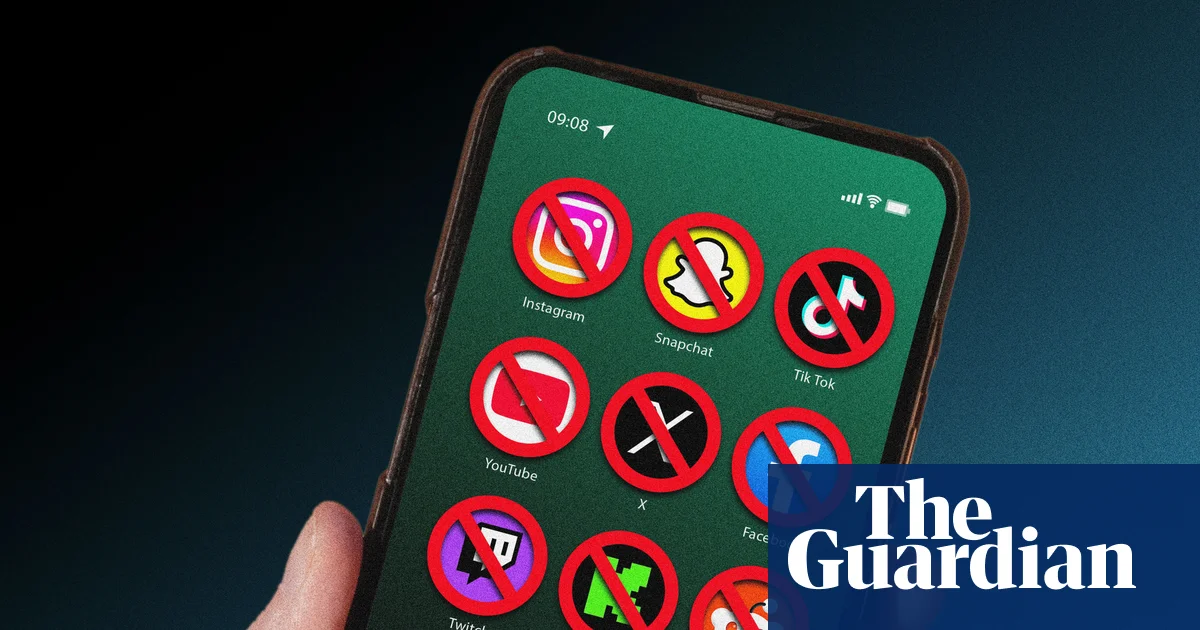
Social media age restrictions are becoming a global trend, with the UK becoming the latest country to announce plans to ban under-16s from major platforms by spring 2027. This was reported by Qazaqyia.kz citing The Guardian.
Arturo Béjar, a former Meta employee and whistleblower, said he has spoken to parents worldwide who share the same fear: they dread the day their children go online. "I've spoken to parents from several countries, and I have yet to meet a parent of young kids who is not dreading when they're old enough to go online. Or a young person who has not experienced something awful and preventable," Béjar said.
Recent US trials found Meta liable for deliberately designing addictive products and misleading consumers about platform safety. The California trial in particular has influenced politicians globally. Béjar added: "They [social media platforms] keep showing the world why we can't trust them."
Meta disagreed with the verdicts and plans to appeal, stating that teenage mental health is "profoundly complex" and cannot be reduced to a single cause. The company remains committed to building "safe, supportive environments for young people."
Countries are taking action: Indonesia and Malaysia have introduced bans for under-16s on certain platforms; Austria, France, and Norway are considering restrictions; Brazil has banned mobile phones in schools and requires parental account linking for under-16s; Canada will bar under-16s unless platforms implement safeguards. In the US, a federal ban is unlikely due to political gridlock and the First Amendment.
The UK government appointed an independent academic panel to study social media's impact on teenagers, with "nuanced" findings so far. Nevertheless, Prime Minister Keir Starmer chose to act.
A source at a tech company affected by the UK ban expressed frustration that inconsistent safety efforts among rivals led to rushed regulation. "It's hard to sell your safety measures to politicians when there is not enough consistency among your peers," the source said.
Tech companies continue lobbying against restrictions. In the EU, big tech spent approximately €150 million on lobbying last year, up a third in two years, with Meta the top spender at €10 million. In the US, tech firms lobby against the Kids Online Safety Act (KOSA). Meta is the highest-spending tech lobbyist, with one lobbyist per six members of Congress. Between 2020 and 2024, big tech spent $260 million on federal lobbying.
Donald Trump's administration has consistently criticized foreign tech regulation, including the UK's "disproportionate" ban. Darrell West of the Brookings Institution said state-level bans are "not likely on a widespread basis" and federal bans are unlikely "because too many legislators oppose government regulation of technology."