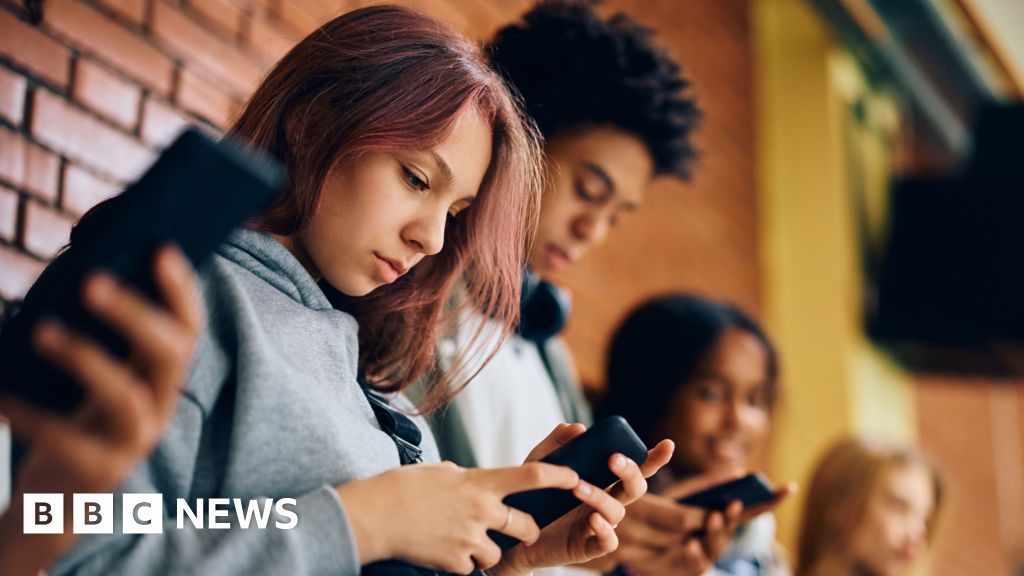
When social media began to dominate the internet 20 years ago, it was hailed as a game-changing technology that would connect people and make information more accessible. Today, companies like Meta (owner of Facebook and Instagram), Google (owner of YouTube), Snapchat, as well as newer platforms TikTok, Discord, and Roblox, are facing thousands of lawsuits in the US over claims that they have harmed users, particularly children. This was reported by Qazaqyia.kz citing BBC News.
Taken together, the outcome of these lawsuits, whether they settle out of court or result in jury verdicts against companies, could change the way social platforms operate forever. Eric Talley, a lawyer and professor at Columbia Law School, said: "It's created a stage that not only legal observers are watching, but regulators and lawmakers are watching closely as well." Talley noted that the wave of lawsuits is influencing public perception and is likely to affect political elections and laws for years to come.
Many cases are going through courts in California, where all major social platforms are headquartered. Known as the "California effect," legal and policy changes in the state tend to lead to nationwide changes. Alexis Shore Ingber, a communications law expert and professor at Syracuse University, said: "There's no denying anymore that there is an issue with child safety on the platforms. We are seeing an inflection point. These cases are significant."
Already this year, Meta and YouTube suffered an unprecedented loss in a case brought by a young woman who claimed she was addicted as a child to social media, contributing to her mental and emotional health struggles. A jury ordered the companies to pay her a combined $6m (£4.5m) in damages. Both firms said they disagreed with the verdict and intended to appeal. Meta also lost a bigger case in New Mexico, brought by that state's attorney general accusing the company of misleading the public that its platforms were safe for children despite known issues with sexual exploitation. Meta said it also plans to appeal.
During the years these cases were brought, Meta released changes to its platforms aimed at making them safer for young users. But broader change to platform design and function is likely to take years more and more court rulings. Between this year and next, Meta and other major platforms are poised to fight through more trials involving claims by young users, their parents, school districts, and state attorneys. Even a billionaire is prepared to take Meta to trial over hosting scam advertisements.
The BBC looked through scores of cases in the US to find the handful of lawsuits against social media and social gaming companies that are on track for trial in the next year and could have a significant impact. According to Adam J. Schwartz, these lawsuits "are the bellwether cases that will set the tone and tenor for shaping the law in the future." The sprawling multidistrict litigation (MDL) in California includes allegations from more than 1,000 school districts across the US. Schools accuse Instagram, YouTube, Snapchat, and TikTok of being intentionally designed to be addictive, harming children mentally and emotionally. Schools claim that dealing with the ill effects has cost them money and resources, and that platforms should be deemed a "public nuisance." A jury trial was set for February, but platforms recently settled with the first school district. A YouTube spokesman said allegations are not true. A Snapchat spokeswoman said they fundamentally disagree. Meta declined to comment, and TikTok did not respond.
Attorneys for California and Colorado led a group of 29 states in filing a 2023 lawsuit against Meta and Instagram, set for trial in August. The states accuse Meta of violating the Children's Online Privacy Protection Act (COPPA). Meta has provided more than 2 million documents in the case. If states prevail, Meta must better prevent users under 13 from using its platforms and remove data collected from underage users. Meta uses such data for ad targeting and training AI models. A company spokesman declined to comment.
A case against Roblox and Discord was brought by a 13-year-old boy in state court.