Mainstream social media platforms are fighting to distribute and monetise 'gore' and 'fringe' content, the eSafety watchdog has told the antisemitism royal commission. This was reported by Qazaqyia.kz citing The Guardian.
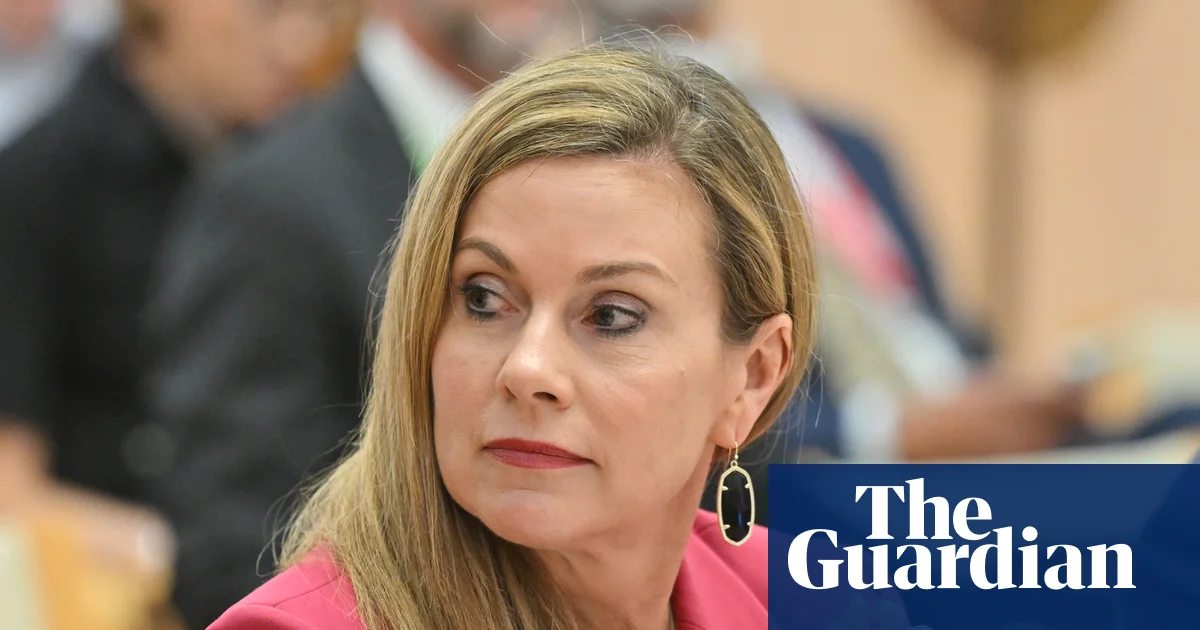
Australia's eSafety commissioner, Julie Inman Grant, on Thursday singled out X, telling the inquiry her office has to fight its billionaire owner, Elon Musk, to try to keep footage – including some posted of the Bondi terror attack – restricted or off the platform. Social media platforms are spending more to challenge regulation while spending less on trust and safety teams, she said, and they feel protected by the anti-regulation Trump administration.
Inman Grant detailed various complexities the commission has faced when attempting to have websites – including paedophile and suicide-incitement sites – taken down, and when having footage of the Christchurch massacre removed. She said X pushed back about Australians' access to the Charlie Kirk assassination video, the stabbing of Iryna Zarutska on a Charlotte train, and the church stabbing of Bishop Mar Mari Emmanuel in Wakeley, New South Wales.
She said eSafety 'fought hard' to get footage of the Bondi attack 'refused classification', making it illegal to distribute in Australia. But X told her 'it's not any worse than you would see in a gore movie'. 'And I said: "I can't think of anything more horrific for the family members and the Australian Jewish community",' she said. 'So we fought really hard and we were able to get them to agree to keep that refused classification. But these are mainstream platforms fighting for the right and the ability to distribute and monetise gore and fringe content.'
Of the eight cases the regulator is now fighting with X, six have been instigated by X, she said. The ongoing third block of hearings for the royal commission into antisemitism and social cohesion is focusing on the role of social media and traditional media.
Inman Grant said antisemitism and hate speech were not explicitly covered in the eSafety commissioner's mandate, which covers cyberbullying, adult cyber-abuse, image-based abuse and illegal and restricted online content. Just 2% of the complaints about adult cyber-abuse made to her office meet the high threshold for action, she said, because of freedom of speech protections. But she said the cumulative harm of online abuse should be considered.
'I just imagine that so many in the Jewish community are experiencing antisemitism, racism on a daily basis. And all of that has a cumulative impact on one's mental health and wellbeing,' she said.
She contrasted the powers to tackle adult cyber-abuse with how they handle cyberbullying cases, citing a South Australian case in which a 14-year-old girl was asked on a date by a boy. When she said no, six of his friends sent her a 'barrage of death and rape threats'. In that case, the eSafety commissioner contacted the school and the parents and sent them an end user notice, which asked for proof all the content was deleted, and for a pledge not to engage in that conduct again. The commissioner can take further enforcement action if the end user notice is not complied with.
But the adult scheme is not fit for purpose, Inman Grant said, and responsibility should be put back on the platforms, potentially with an online hate code. 'We know they could roll that out tomorrow,' she said, but said they were 'playing a game of whack-a-mole'. 'They're monetising … the pain and suffering of other people. Their sophisticated ability to target users with 'deadly precision' through algorithms, she said, showed they have the ability to stop it.'
Police from various jurisdictions described their interactions with the eSafety commissioner at the hearing on Thursday. The Western Australian police deputy commissioner Kylie Whiteley said there had been delays finalising a memorandum of understanding with eSafety. She said the public was often confused about whether to make complaints to eSafety, Scamwatch or platforms.