Hugh Marks, the managing director of the ABC, responded to criticism over Grace Tame's four-part podcast on autism, which sparked controversy due to her comments about Israel and Gaza in an ABC interview. This was reported by Qazaqyia.kz citing The Guardian.
Marks said the podcast was commissioned "some time ago" and added: "I think if you look at the programme itself, it's a great podcast that she's done a great job on a topic that I'm sure will be of real interest and real importance to many Australians who suffer from those conditions, and particularly young Australians and young Australian women. So there's a balance in all these things … for the ABC to be ensuring that we bring great content to air and also acknowledging that, you know, with some of the people that we work with, sometimes there will be controversy."
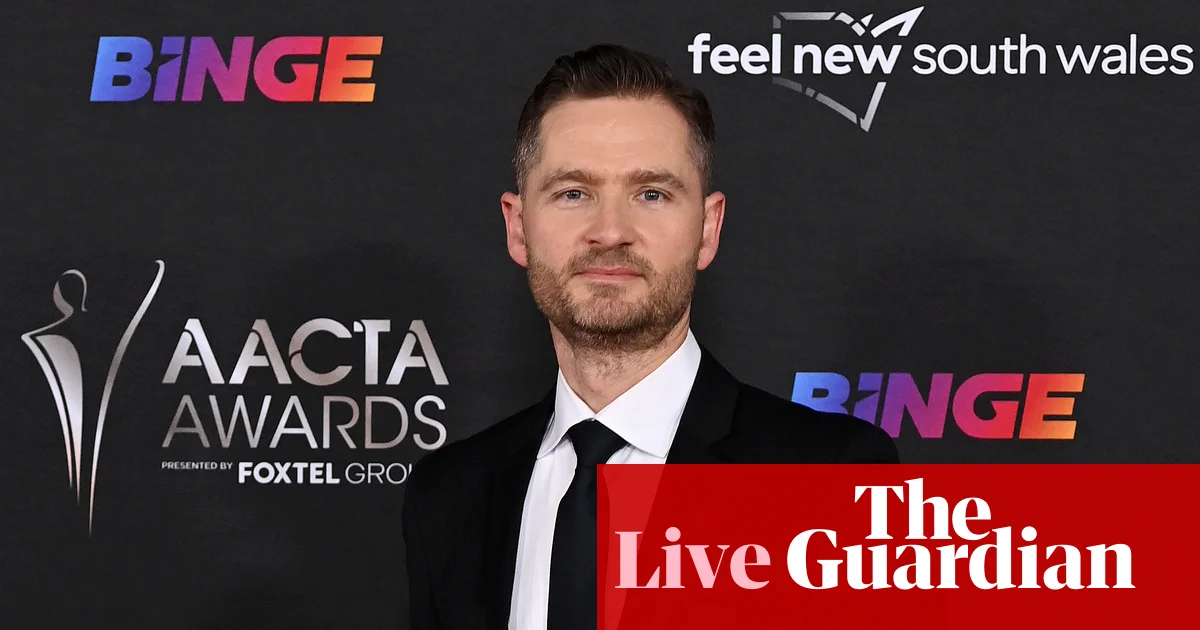
Marks also spoke about Charlie Pickering, who told a right-wing livestreamer in off-the-cuff remarks that he believed Tame's role was "problematic" as a matter of "personal opinion." Marks said: "Obviously we've looked at Charlie's comments. I think he did express that they were his own view. They weren't represented at the ABC. It was a little bit on the hop and a little bit not. So I think we felt comfortable that we were able to accept that his comments weren't a breach of the ABC code of conduct."
Grace Tame is a former Australian of the Year and sexual assault survivor activist. Her ABC podcast focuses on autism, but her views on the Israel-Gaza conflict drew criticism. Marks defended the podcast's content, highlighting its importance for Australians living with autism.
Charlie Pickering is the host of ABC's "The Weekly." His comments about Tame upset some viewers, but ABC management ruled they did not violate the code.
Marks also addressed Pauline Hanson's remark calling Victorian Premier Jacinta Allan a "witch," saying "no wonder" she was called that. Marks did not directly comment but noted ABC maintains neutrality in reporting on political figures.
This story has sparked debate in Australia about the boundary between media codes and personal opinions. Some critics question ABC's collaboration with controversial figures like Tame, while others support the corporation's openness to diverse views.
Concluding, Marks emphasized that ABC strives to provide "balanced content" and acknowledges that "sometimes there will be controversy." He reiterated that Pickering's comments were personal and did not breach the code.
This case raises questions about ABC's editorial policy and regulation of employee personal opinions. The corporation has faced similar disputes over staff comments on social media.
Grace Tame's podcast remains available on the ABC website. Marks supported it, calling it "important for many Australians."
Charlie Pickering has not yet commented further. His show "The Weekly" continues as usual.
This incident reflects the complex relationship between media and public opinion in Australia. On one hand, media outlets aim to present diverse viewpoints; on the other, working with controversial figures raises ethical questions.
Marks' statement clarified ABC's stance: the corporation does not interfere with employees' personal opinions but monitors compliance with the code.
This decision may not satisfy some critics, but Marks said the corporation "felt comfortable" and closed the matter.
Tame's podcast may initiate important conversations about autism, but her political views have diverted attention. Marks reminded of the podcast's primary goal: helping people with autism.
Pickering's situation illustrates the boundary between media employees' personal opinions and professional duties. ABC considers his comments not a code breach, but this is not always clear-cut.
This case is part of a broader discussion on media regulation and free speech in Australia. For now, ABC maintains its position.