The US government has described the 11 September 2001 attacks as the "most egregious criminal act on American soil in modern history". But a quarter of a century on, the trial of its alleged mastermind is yet to begin and families of those killed fear that time for justice to be delivered is running out. This was reported by Qazaqyia.kz citing BBC News.
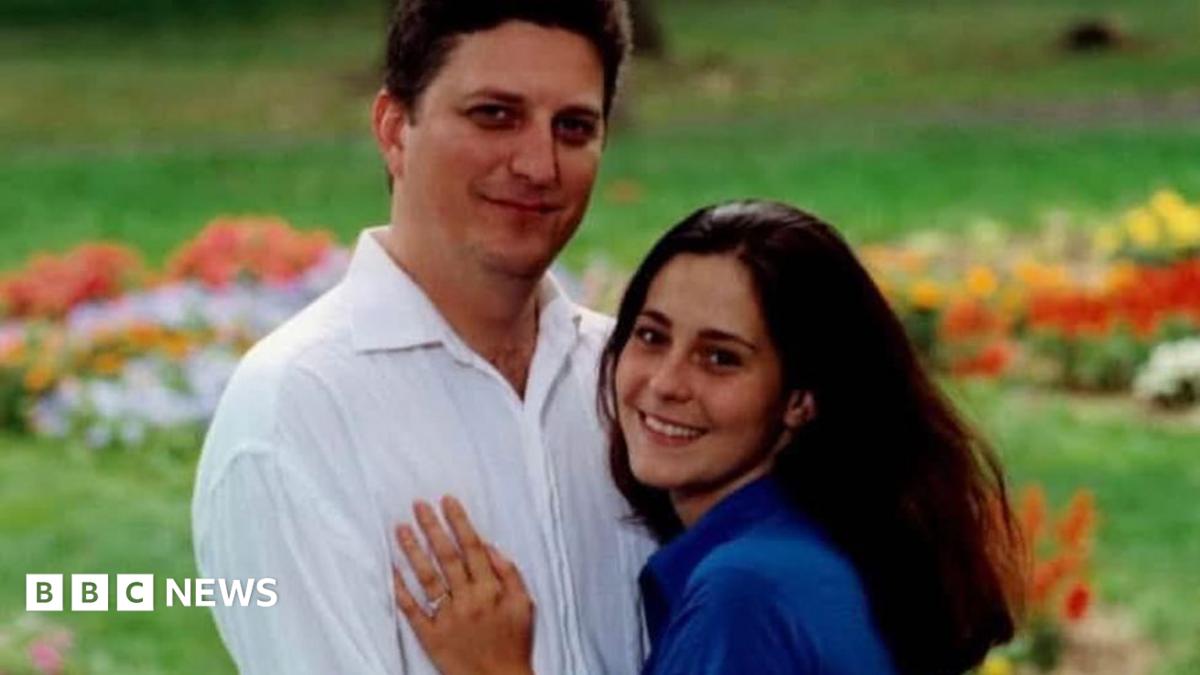
Tom Resta's brother John and his wife Sylvia, who was seven months pregnant, were among the almost 3,000 people killed on 11 September 2001 when hijackers flew planes into the World Trade Center in New York City and the Pentagon in Virginia. Another crashed in a field in Pennsylvania after the passengers fought back.
The couple had been preparing their unborn baby's nursery, painting it with characters from the children's television show Blue's Clues in the days before 9/11. They had dreamed of having a baby and doted on the children of friends and family.
On the day of the attacks, the couple - both traders - were working on the 92nd floor of the north tower of the World Trade Center.
"After all this time, it still chokes me up," Resta told the BBC through tears. While 25 years have passed, he said 9/11 was "almost constantly" on his mind.
Resta has been to the US naval base of Guantanamo Bay four times to watch complex pre-trial proceedings for alleged 9/11 mastermind Khalid Sheikh Mohammed and his co-defendants - a process he describes as "laborious and tedious".
A military prison was established on the base in south-eastern Cuba during the "war on terror" that followed the 9/11 attacks, and Mohammed - often referred to as KSM - has now been held there for 20 years without ever being convicted.
Relatives of victims enter a lottery process to attend the proceedings in a high-security courtroom, where thick glass separates them and members of the press from the defendants.
The pre-trial process has been going on for so long that it has now been presided over by five different military judges.
Last month, as the 25th anniversary approached, there was a flurry of movement and something of a breakthrough, with a trial date set for Mohammed for June 2028.
But Resta said he was bracing himself for further delays, and with so much time having passed, some of his relatives feared they would not live long enough to see the trial.
"My father will be 98 in November, and I don't think he's expecting to see it. I have a lot of family members - aunts, uncles - that would all like to see it happen. But my parents in particular, I don't think they expect to live long enough," he said.
"Hopefully all the defendants will still be alive by the time we get to trial. That's a big worry," he added.
Resta's concerns that a trial could still be further delayed were shared by relatives of other 9/11 victims.
Earlier this year, Stephan Gerhardt made his sixth trip to Guantanamo. He said seeing convictions for the death of his younger brother Ralph was vital for him, but something he wished he no longer had to think about.
"I want to concentrate on the memories," he said. "I still have Ralph's car. I'm trying to restore it and get it in pristine shape again… We were recently visiting my parents, and we found some of his things that they were holding onto, and the emotion behind it is like, 'yeah, this is just some old stuff, but it belonged to my little brother'."
Gerhardt said his "biggest concern" was that he wanted to see Mohammed and his alleged co-conspirators convicted before they died.
"They're getting elderly… I don't want them to pass away without being convicted, because that would be an injustice to all the family members - that we captured these people, but we never got to try them and convict them for the mass murder that they did of our loved ones."
Mohammed has been charged with offences including conspiracy and murder, with 2,976 victims listed on the charge sheet. He is accused of conceiving the idea of training pilots to fly commercial planes into buildings and taking those plans to Osama bin Laden, leader of the militant Islamist group al-Qaeda.
He has previously said he planned the "9/11 operation from A to Z".
But days after the trial date was set for 2028, the military judge threw out confessions made by Mohammed to FBI agents on Guantanamo Bay after he was brought there from secret CIA prisons known as "black sites", which he had been held in for years. In his ruling, the judge described Mohammed's treatment by the CIA as "extraordinary physical and mental abuse".
He said the confessions were not voluntary and could not be used against Mohammed at trial.
Experts say the torture of Mohammed and his alleged co-conspirators has been the main reason for the lengthy delays in the case.
"Every single issue has been litigated through the issue of torture," said Kasey McCall-Smith, an international law professor at Edinburgh University.