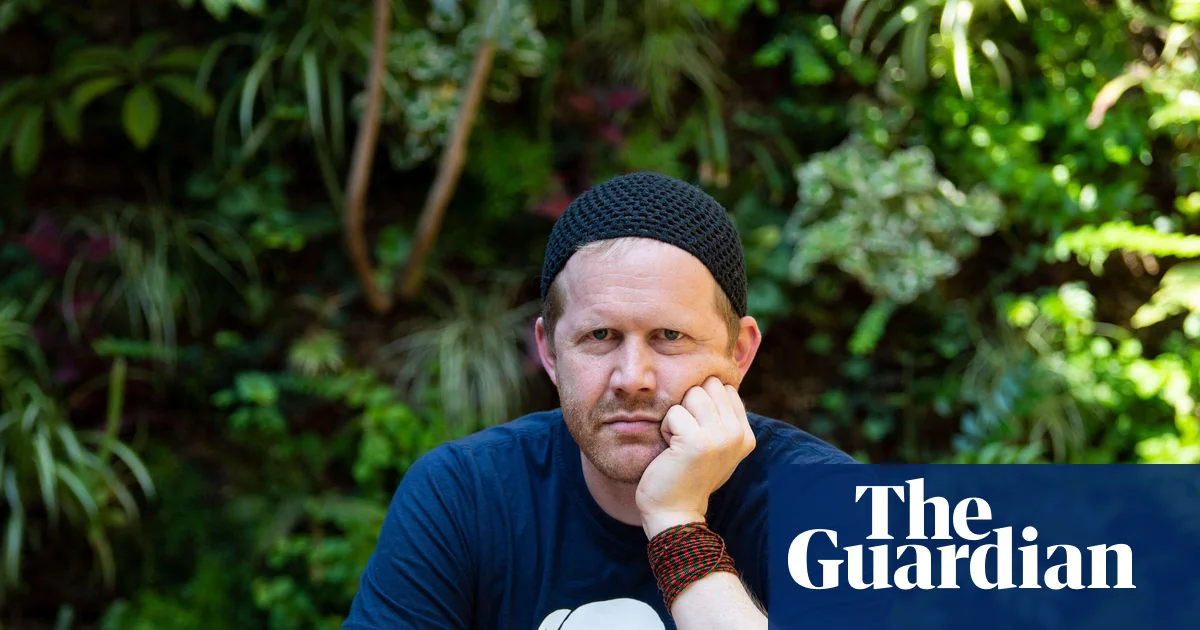
More than 900 academics have voiced their opposition to the government’s decision to block the climate academic Andreas Malm from entering the UK, warning that the move represents “a grave violation of academic freedom and freedom of expression”. This was reported by Qazaqyia.kz citing The Guardian.
Malm, the author of How to Blow Up a Pipeline and a leading climate scholar, was prevented from entering the UK last week by the Home Office after being told that his presence in the UK “may not be considered to be conducive to the public good”.
He had been due to attend an academic conference on Wednesday, appear on the BBC, and participate in a public discussion organised by the publication Tribune alongside Huda Ammori, a co-founder of the proscribed organisation Palestine Action.
Hundreds of academics have signed an open letter voicing their concern at the move and calling on the government to overturn the decision.
“The ability of scholars to travel, exchange ideas and participate in public debate – including on politically contentious issues – is fundamental to a free and democratic society,” the letter says. “Excluding academics because of their political views or the topics they discuss sets a dangerous precedent and risks creating a chilling effect on academic and public discourse.”
Malm, an associate professor at Lund University in Sweden and an internationally recognised climate academic, said he had been “kept in the dark” by the UK’s immigration authorities over the reasons for his electronic travel authorisation (ETA) being revoked, but said he suspected it was because of his plans to appear on a panel alongside Ammori from Palestine Action.
Speaking to the BBC earlier this week, he said: “I cannot see any other explanation than the scheduled appearance of me on stage for a panel on Wednesday evening in London, together with Huda Ammori. That … makes me somehow a terrorist or associated with terrorism, and therefore barred from travelling to the UK. That’s pretty scandalous.”
He said the move was “just a very small part of a major trend: this drift into authoritarianism that is targeting the Palestine movement, the climate movement, and others who oppose the destructive forces that are in control of this world.”
A Home Office spokesperson said: “Cancelling or refusing an ETA can take place for a range of reasons, including where there are concerns that an individual poses a threat to public safety or seeks to spread extremism. It is not a ban on coming to the UK. Those in this position can still apply for a visa, enabling further consideration of circumstances and suitability for entry to the UK.”
The letter has so far been signed by more than 1,400 individuals from over 250 academic institutions, including some of the world’s leading universities.
Fabian Dablander, an assistant professor at the London School of Economics, who initiated the letter, said the numbers showed the strength of feeling in the academic community.
“The letter quickly attracted hundreds of signatures, reflecting the academic community’s deep concern about the threat this decision poses to academic freedom and the UK’s reputation as a place for open intellectual debate,” he said.