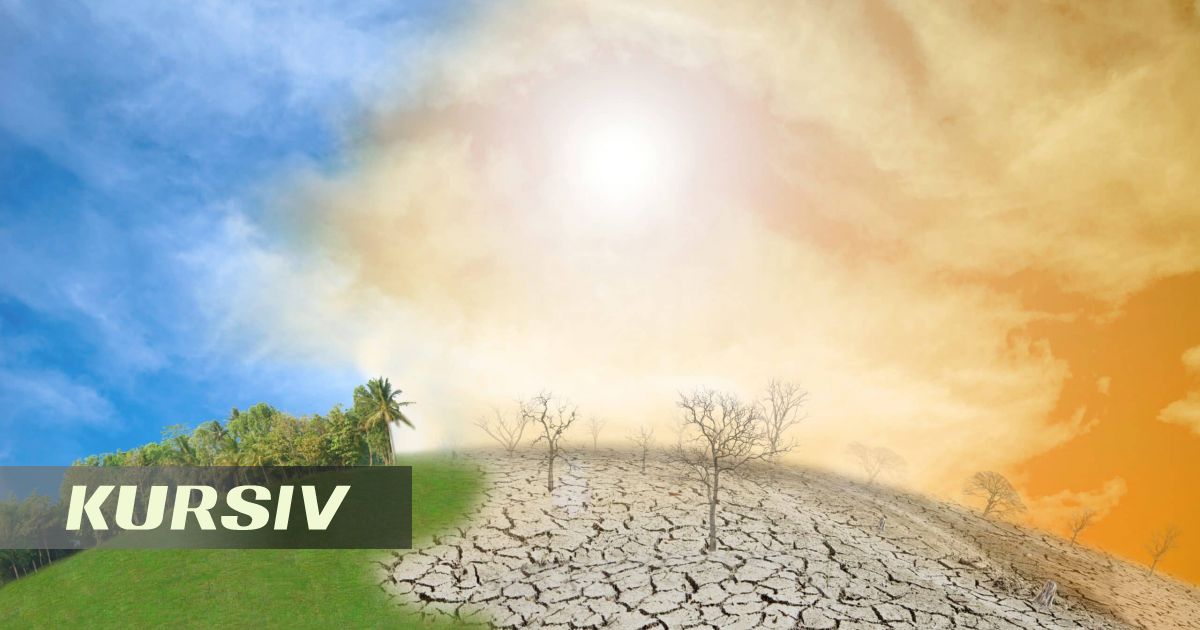
Australian climatologist Andrea Taschetto has stated that 2027 could become the hottest year in Earth's history. This was reported by Qazaqyia.kz citing Kursiv Media.
According to the scientist, this will be caused by record warming of the world's oceans and the peak of the El Niño climate phenomenon. "Global sea surface temperature is currently very high, and May 2026 was the warmest May on record for global sea surface temperature," the associate professor explained.
Taschetto noted that El Niño typically raises global average temperatures after its peak, including through increased temperatures in the tropical North Atlantic and Indian Ocean.
Earlier, Kursiv reported that the Earth could become hotter in the next five years than ever before in recorded history. This conclusion was reached by experts from the World Meteorological Organization (WMO) under the UN.
Scientists warn that climate change is leading to more frequent and intense extreme weather events. Ocean warming causes sea level rise, glacier melting, and ecosystem disruption. El Niño is characterized by warming of sea surface temperatures in the equatorial Pacific and affects weather worldwide.
The forecast that 2027 could be the hottest year is causing concern among scientists. They call for urgent measures to mitigate the effects of climate change. Reducing greenhouse gas emissions, transitioning to renewable energy sources, and strengthening adaptation measures are key steps in this direction.
According to WMO experts, global temperatures could reach 1.5 degrees Celsius above pre-industrial levels in the next five years. This risks exceeding the limit set by the Paris Agreement. International cooperation and national-level measures play an important role in combating climate change.
For Kazakhstan, climate change is also a pressing issue. Rising temperatures in the country could lead to water scarcity, desertification, and negative impacts on agriculture. Therefore, Kazakhstan is taking measures to adapt to climate change and transition to a green economy.
Despite scientists' warnings, the global community is not acting quickly enough in the fight against climate change. Experts demand the fulfillment of promises to reduce greenhouse gas emissions and concrete actions.
In conclusion, the forecast that 2027 could be the hottest year reminds humanity of the need to intensify efforts in combating climate change. Every country, including Kazakhstan, must contribute to solving this global problem.