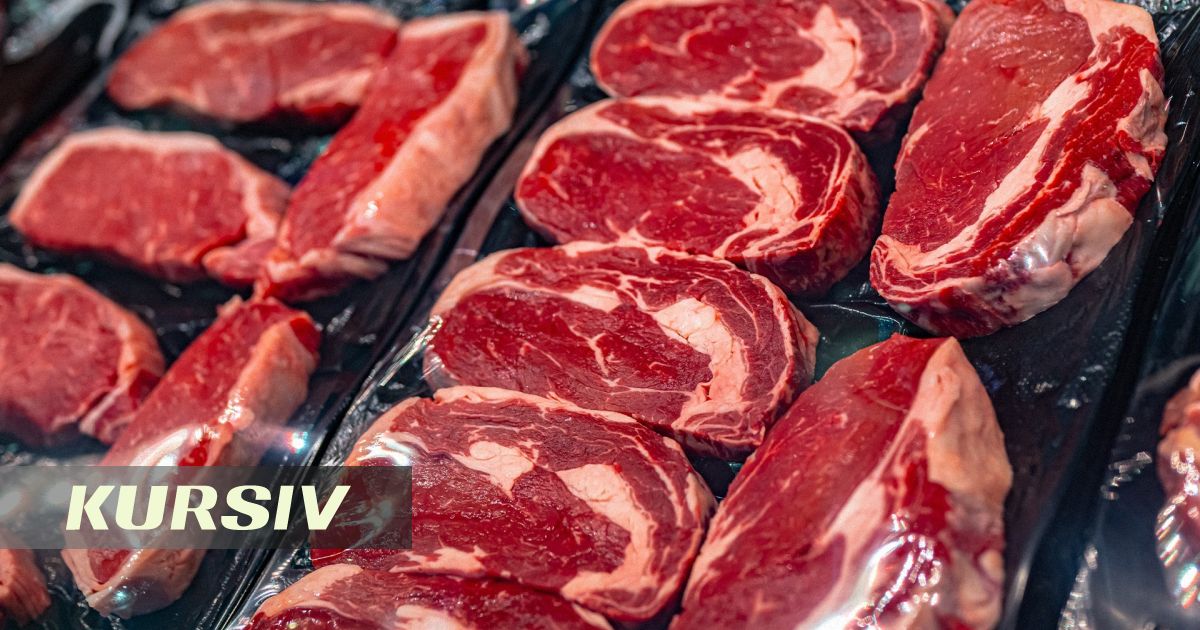
In the first quarter of 2026, Kazakhstanis began to eat more meat, milk and eggs, but reduced consumption of fruits, nuts and sugar. Such data were provided by the Bureau of National Statistics. This was reported by Qazaqyia.kz citing Kursiv Media.
In the first quarter of this year, Kazakhstanis generally increased consumption of most staple foods compared to the same period last year.
On average, per capita consumption for the quarter amounted to 20.7 kg of meat and meat products versus 20.6 kg a year earlier. Consumption of milk and dairy products increased from 57.2 to 58.1 liters, eggs from 52 to 54 pieces, vegetables from 18.3 to 18.7 kg, potatoes from 11.3 to 11.4 kg. Consumption of fish and seafood also increased from 3.5 to 3.6 kg.
However, a decline was noted in several categories. Consumption of cereals and grain products decreased from 31 to 30.6 kg, consumption of oils and fats remained unchanged, fruits, berries and nuts decreased from 17.5 to 17.4 kg, and sugar, jam, honey — from 10.8 to 10.3 kg per capita.
"On average, in Q1 2026, one resident of Kazakhstan consumed 11.4 kg of potatoes, 6 kg of wheat bread made from first-grade flour, 6 kg of beef, 4.8 kg of apples, 4.6 kg of granulated sugar, 4.2 kg of rice, 3.1 liters of kefir, 2.6 kg of pasta, 2.4 liters of raw milk, 2.1 kg of fresh or chilled fish, 54 eggs and 0.3 kg of black tea," the Bureau of National Statistics added.
In Q1 2026, average vegetable consumption was 18.7 kg per capita. Compared to the same period in 2025, the figure increased by 2.2%.
Surprisingly, urban residents consumed more vegetables than rural residents. In urban areas, the average was 19.3 kg per person, while in rural areas — 17.6 kg. The highest vegetable consumption was recorded in:
- 01Shymkent city — 24.1 kg
- 02Almaty city — 23.4 kg
- 03Astana city — 22.8 kg
- 04Kyzylorda region — 21.5 kg
- 05Turkistan region — 20.9 kg
While the lowest rates were observed in East Kazakhstan region — 16.5 kg, and in Abai and Almaty regions — 16 kg each.
At the same time, the country's main meat-eaters live in East Kazakhstan, Karaganda, Zhetysu, Akmola and Karaganda regions.
Earlier, Kursiv wrote that meat prices in Kazakhstan would remain stable.